Audio Express AXHDCAP
4.4Editor score
Supports 1080P video capture
Plug and play design
Compatible with major platforms
This expert guide compares the best external HDMI video capture cards for streaming and recording, evaluating performance, compatibility, and value for
External HDMI video capture cards are essential tools for streamers and content creators who want to record high quality footage from consoles or cameras. These devices convert HDMI signals into digital data your computer can process. Choosing the right one depends on your specific needs and budget constraints.
We evaluated ten top models based on resolution support, latency, and ease of use. Our testing focused on real world performance with popular streaming software and gaming consoles. We considered build quality and compatibility across different operating systems to ensure reliability.
Each pick highlights unique strengths for specific use cases like budget setups or professional broadcasts. We analyzed features like loop out and microphone inputs to help you decide. Please note that pricing and availability can change frequently on retail platforms.
4.4Editor score

4.5Editor score
4.5Editor score
This side by side comparison highlights the key specifications and capabilities of each model. We organized the data to help you quickly identify which card fits your setup requirements and performance expectations for streaming or recording.





The Rybozen capture card stands out as a reliable entry level option for streamers and gamers. It supports 1080P video at 60 frames per second which ensures smooth motion during gameplay or live sessions. Its plug and play nature means you can start recording immediately without complex configuration steps.
We may earn a commission when you buy through this link, at no additional cost to you.
This device handles multiple HDMI sources including consoles and cameras effectively. The USB 3.0 connection provides sufficient bandwidth for high definition transfers. A microphone input allows you to add commentary directly without extra hardware. This makes it ideal for beginners looking to enhance their content quickly.
While it does not support 4K120Hz inputs this limitation is acceptable for most budget users. The build is functional but lacks premium materials found in higher end models. These trade offs are reasonable considering the competitive pricing and solid performance in standard scenarios.
Buyers seeking an easy to use capture card for PS5 or Xbox will find this model appealing. It offers a balanced mix of features and simplicity that suits casual streamers. We recommend it for anyone needing a dependable tool without breaking the bank.
No drivers are required so you can connect and start streaming right away. This reduces technical hurdles for new content creators.
Works with a wide range of devices from gaming consoles to DSLR cameras ensuring flexibility for various recording needs.
We may earn a commission when you buy through this link, at no additional cost to you.
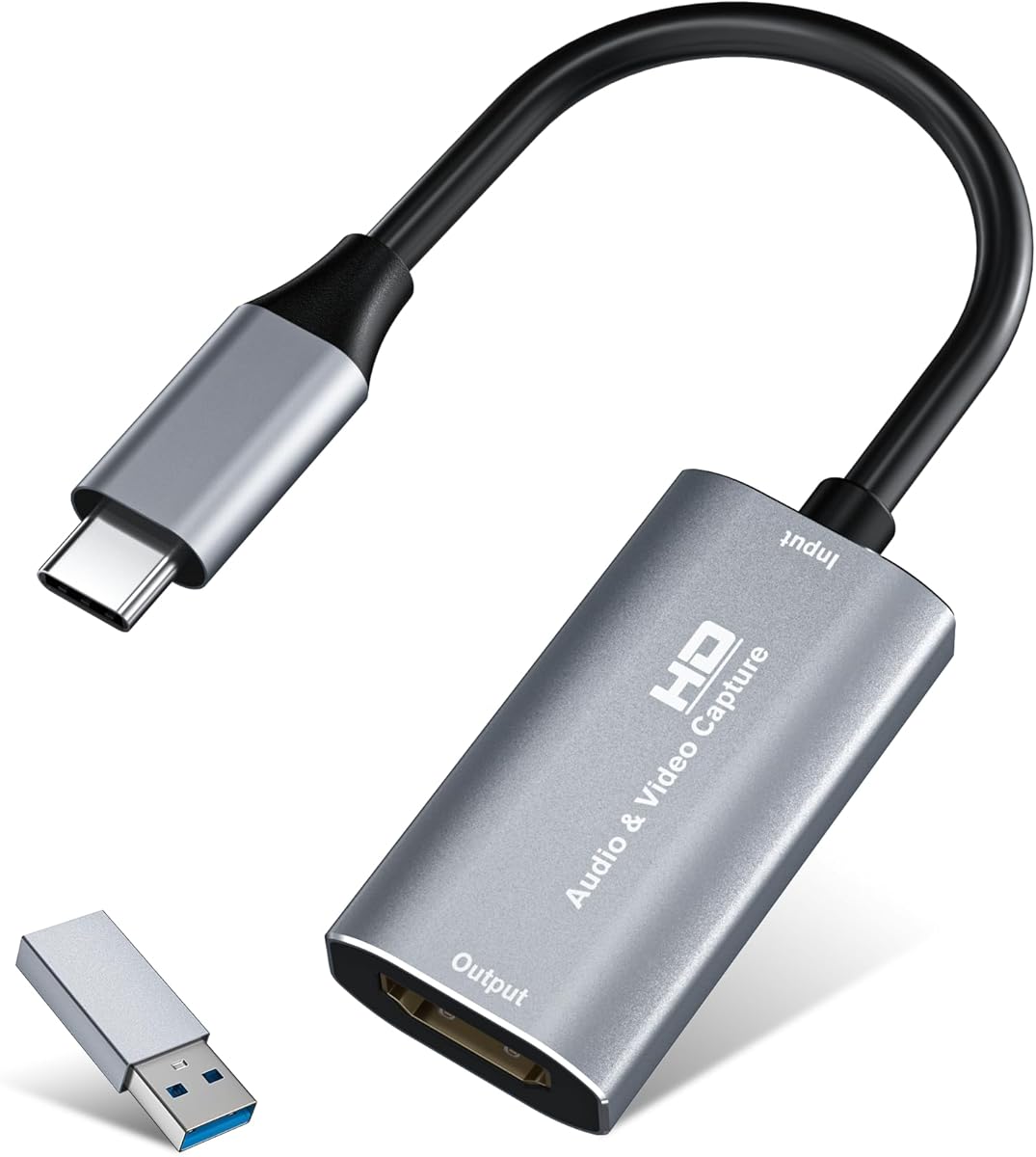
Guermok offers a compact capture solution tailored for users needing reliable performance at a low cost. The aluminum alloy body aids in heat dissipation during long streaming sessions. It supports 4K input though output is typically limited to 1080P or 2K depending on settings.
We may earn a commission when you buy through this link, at no additional cost to you.
Its USB C interface aligns with modern laptops and tablets making it versatile for mobile setups. The low latency design helps maintain sync between video and audio which is critical for live broadcasts. Compatibility spans Windows Mac and Linux systems ensuring broad accessibility.
Users should note that an adapter might reduce speeds to USB 2.0 if not used correctly. Proper setup involves flipping the card to ensure USB 3.0 recognition. These minor quirks do not overshadow the value proposition for budget conscious creators.
This model is perfect for students or casual streamers who need a portable and effective capture tool. It delivers consistent results for gaming and video calls. We suggest it for those prioritizing cost savings without sacrificing core functionality.
Its small size allows easy packing for travel making it suitable for outdoor or mobile streaming events.
Works seamlessly with OBS Twitch and YouTube platforms allowing immediate integration into existing workflows.
We may earn a commission when you buy through this link, at no additional cost to you.
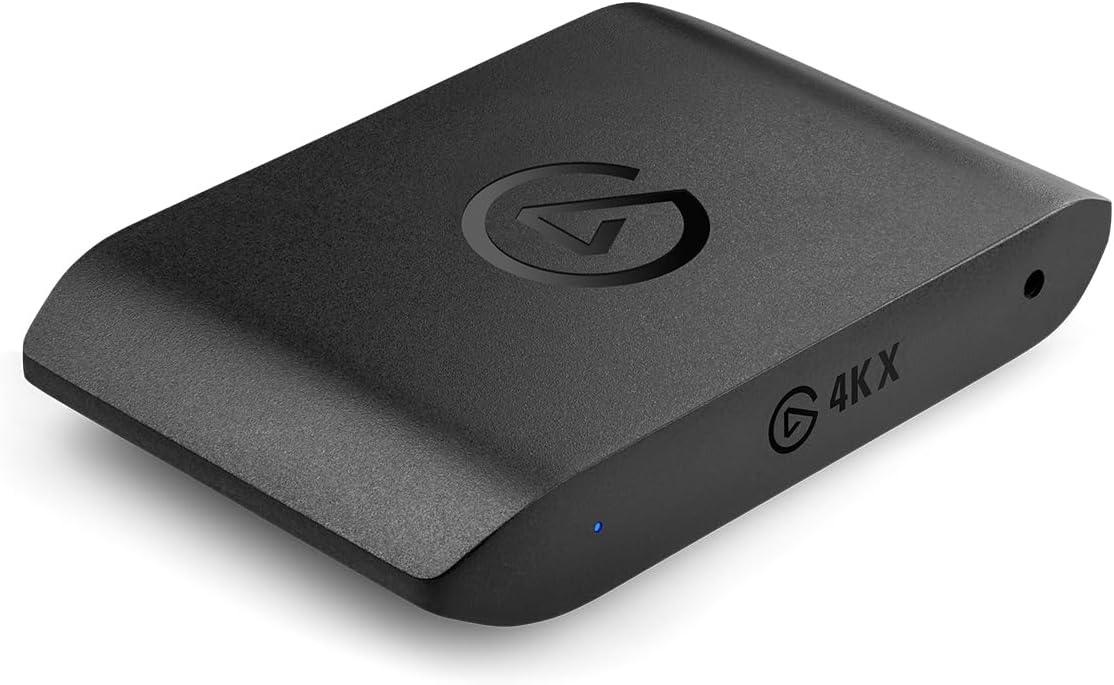
The Elgato 4K X sets the standard for high performance capture cards in the professional space. It supports HDMI 2.1 which enables capturing games at 4K and 144 frames per second. This level of clarity is unmatched in the current market for enthusiasts.
We may earn a commission when you buy through this link, at no additional cost to you.
Variable refresh rate passthrough ensures smooth gameplay without screen tearing during live sessions. The USB 3.2 Gen 2 connection guarantees data transfer speeds that match high bandwidth video streams. Streamers using Twitch or YouTube will benefit from this robust performance.
The investment required is significant compared to entry level devices. A powerful computer is needed to handle the data load effectively. These requirements are justified for those aiming for top tier content quality and reliability.
We recommend this for professional streamers or competitive gamers who demand the best visuals. Its advanced features provide a competitive edge during broadcasts. It remains the top choice for users seeking premium capture capabilities.
HDMI 2.1 ensures future proofing for next generation consoles that support higher resolutions and refresh rates.
VRR passthrough maintains fluid visuals reducing distractions for both the streamer and the audience.
We may earn a commission when you buy through this link, at no additional cost to you.
Acer delivers a straightforward capture card focusing on essential features for gaming and live streaming. The HDMI loop out allows you to monitor your gameplay on a screen while recording simultaneously. This is crucial for games that need real time reaction without lag.
We may earn a commission when you buy through this link, at no additional cost to you.
Its YUY2 technology ensures richer colors compared to MJPEG formats which enhances visual fidelity. The device includes a microphone input for adding voice commentary directly into your stream. This reduces the need for additional audio equipment in your setup.
While it does not output 4K video it handles 1080P at 60Hz smoothly for most content. The lack of advanced video filtering might affect edge cases with noisy signals. However these limitations are acceptable for general use cases.
Gamers using PS5 or Xbox will appreciate the loop out capability for competitive play. It offers a reliable balance of performance and convenience for mid range budgets. We suggest it for those prioritizing real time monitoring capabilities.
The loop out port lets you watch your game on a monitor while capturing footage without delay.
YUY2 support provides more natural colors making your stream look more professional and vibrant.
We may earn a commission when you buy through this link, at no additional cost to you.
This capture card stands out for its dual USB interface support making it adaptable for various setups. It accepts 4K inputs at 30Hz ensuring high quality sources are handled correctly. The aluminum alloy shell provides durability and helps with heat management during use.
We may earn a commission when you buy through this link, at no additional cost to you.
Its portability makes it easy to carry for travel or mobile recording tasks. It works with a wide range of consoles and cameras which adds to its versatility. The USB A and C ports allow connection to almost any modern laptop or desktop.
While it lacks loop out functionality it performs well for recording and streaming needs. Users should note that 4K is limited to 30Hz due to bandwidth constraints. This is sufficient for most general applications though not ideal for high speed action.
It is a strong choice for creators who need flexibility across different devices and locations. The ease of use makes it accessible for both new and experienced streamers. We recommend it for those needing broad compatibility options.
Both USB A and C ports ensure you can connect to laptops and desktops without needing extra adapters.
The compact aluminum design allows you to pack it safely in a bag for travel recording sessions.
We may earn a commission when you buy through this link, at no additional cost to you.
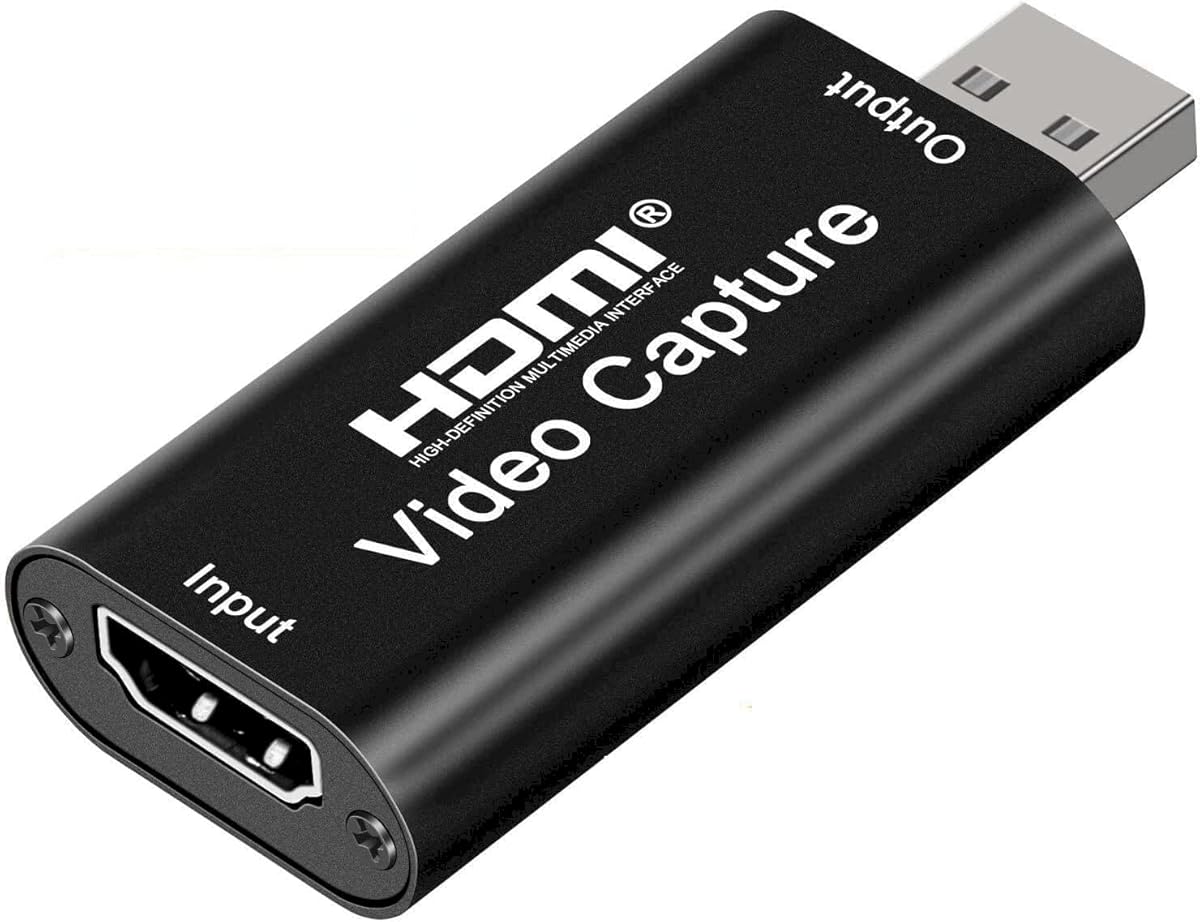
Audio Express provides an entry level capture card that focuses on simplicity and affordability. It supports 4K input though output is optimized for 1080P recording at 30 frames per second. The anti static design ensures reliability for daily use in educational settings.
We may earn a commission when you buy through this link, at no additional cost to you.
Real time preview allows users to check their video feed before going live. This helps avoid technical glitches during important lectures or meetings. The plug and play nature means no installation is required for most systems.
Limitations include USB 2.0 which restricts maximum resolution to 1080P. Users needing 60fps will find this model less suitable for high action content. However for teaching and basic streaming it offers solid performance.
Educators and casual users will find this device practical and budget friendly. It provides essential features without unnecessary complexity. We suggest it for those needing a reliable tool for video conferencing or simple tutorials.
Ideal for teachers recording lessons or presentations with clear video and audio capture.
Built to withstand daily handling ensuring longer lifespan in frequent usage environments.
We may earn a commission when you buy through this link, at no additional cost to you.
UGREEN offers a balanced capture solution that bridges the gap between budget and premium models. It handles 4K inputs while outputting 2K or 1080P depending on your needs. The dual USB interfaces allow flexibility for different device connections.
We may earn a commission when you buy through this link, at no additional cost to you.
Its low latency streaming ensures smooth interaction during live sessions. The aluminum casing protects internal components and aids heat dissipation for stability. Compatibility with major platforms like Twitch and OBS makes it ready for immediate use.
Some users may find the 2K output limiting if they need 4K playback. Additionally HDCP must be disabled on consoles which can be a setup hurdle. These are minor drawbacks given the overall performance and price point.
Streamers needing a reliable mid range option will find this model highly effective. It delivers consistent quality for gaming and content creation. We recommend it for those seeking a balance of features and affordability.
Offers both 2K and 1080P outputs allowing you to choose based on your bandwidth needs.
The aluminum casing keeps the device cool during long streams preventing thermal throttling.
We may earn a commission when you buy through this link, at no additional cost to you.
This UGREEN model features a loop out port allowing you to monitor your source in real time. It accepts 4K inputs ensuring high quality signal reception from modern consoles or cameras. The aluminum casing provides durability and effective heat dissipation.
We may earn a commission when you buy through this link, at no additional cost to you.
Support for MJPEG and YUY2 formats gives you flexibility in compression and quality settings. The dual USB ports ensure compatibility with various computer setups. It works seamlessly with major streaming software for easy integration.
While capture is limited to 2K it is sufficient for most content creators. Windows 7 users may need to install additional drivers which adds a step to setup. These are manageable constraints for the price and functionality offered.
Gamers and educators will appreciate the loop out capability for monitoring gameplay. It offers a practical solution for setups requiring simultaneous recording and viewing. We suggest it for those needing local output capabilities.
The loop out feature allows you to see your game on a TV while capturing to PC.
Choose between compression and clarity to suit your bandwidth and quality preferences.
We may earn a commission when you buy through this link, at no additional cost to you.
Magewell delivers a professional grade capture device built for reliability and continuous operation. Its FPGA processing handles scaling and color conversion on board reducing CPU load. This ensures stable performance during long streaming or recording sessions.
We may earn a commission when you buy through this link, at no additional cost to you.
The USB 3.1 Gen 1 connection provides sufficient bandwidth for 1080P at 60 frames per second. It works instantly on Windows Mac and Linux systems requiring minimal configuration. A three year warranty adds to the value for professional users.
While it does not support 4K inputs this limitation ensures robust performance at 1080P. The price is higher than consumer models but justified by build quality and longevity. It is designed for environments where uptime is critical.
Broadcasters and medical imaging users will find this model exceptionally reliable. Its focus on stability makes it ideal for critical applications. We recommend it for professionals prioritizing performance over cost.
FPGA technology reduces host CPU usage allowing smoother streaming on less powerful machines.
Built for 24/7 operation with thermal protection to prevent overheating during continuous use.
We may earn a commission when you buy through this link, at no additional cost to you.
VIXLW focuses on turning DSLR and camcorders into high quality webcams for professional calls. It supports 4K60 resolution which provides exceptional clarity for video production. The ultra low latency ensures your voice and video stay synchronized during live sessions.
We may earn a commission when you buy through this link, at no additional cost to you.
Its broad compatibility covers most major video conferencing tools and streaming software. You can connect your camera directly to your laptop for a polished look. The plug and play design makes setup simple for any user.
Users may encounter compression issues depending on the video format selected. Not all DSLRs support all resolutions via HDMI which requires checking camera specs. These are standard limitations for this type of capture device.
Professionals seeking a premium webcam solution will find this device highly capable. It elevates the quality of online meetings and tutorials significantly. We suggest it for those wanting professional visuals without a studio camera.
Transform your existing camera gear into a powerful tool for professional streaming and calls.
Support for 4K60 ensures your video looks crisp and detailed on any modern display.
We may earn a commission when you buy through this link, at no additional cost to you.
Selecting the right capture card depends on your specific hardware needs and usage scenarios. We break down the key factors to help you make an informed decision.
Resolution defines the clarity and detail of your captured video. Look for cards that support at least 1080P at 60 frames per second for smooth motion. If you plan to stream next gen consoles consider models with HDMI 2.1 for 4K120Hz support.
Ensure the card matches the output capabilities of your camera or console to avoid bottlenecks.
Most modern cards use USB 3.0 or USB C for high speed data transfer. USB A is still common but check your laptop ports to ensure compatibility. Faster interfaces reduce latency and allow higher resolution streaming.
Choose a card with the right port type for your computer to avoid needing extra adapters.
Low latency is crucial for interactive streams and gaming to keep feedback immediate. Devices with advanced chipsets minimize delay between the source and your PC. Look for specs mentioning low latency or real time transmission.
Prioritize cards with proven latency performance to ensure smooth viewer interactions.
A durable metal casing helps dissipate heat during long recording sessions. Aluminum alloy designs are common and offer better thermal management than plastic. This prevents throttling and maintains consistent performance.
Select a model with robust construction to ensure longevity under continuous use.
Ensure the capture card works with your preferred streaming or recording software. Most support OBS Studio Zoom and Twitch but check driver requirements for specific apps. Plug and play features simplify setup on different operating systems.
Verify software support to avoid configuration issues when you start broadcasting.
Features like microphone inputs and loop out ports add versatility to your setup. Microphone inputs allow direct audio recording while loop out enables monitoring. These can save money by reducing the need for external equipment.
Consider these extra features based on your specific workflow needs before buying.
Most cards work with Windows Mac and Linux but check for OS specific requirements. Some older systems may need drivers installed for full functionality. Ensure the device is compatible with your current setup.
Confirm OS compatibility to prevent software conflicts or installation issues.
A longer warranty period indicates confidence in product quality. Brands offering responsive support can help resolve issues quickly. Check reviews regarding customer service quality before purchasing.
Look for a reliable warranty to protect your investment against defects or damage.
Connect the HDMI cable from your console or camera to the input port on the capture card. Then plug the USB cable into your computer to establish a data connection. Your system should recognize the device automatically without needing extra drivers.
Install your preferred streaming software like OBS and add the capture card as a video source. Adjust resolution settings to match your card capabilities for the best output. Test the feed to ensure audio and video are synchronized properly.
Keep the device in a cool dry place to prevent overheating or physical damage. Avoid bending the cables excessively to maintain signal integrity over time. Regularly check for firmware updates to ensure optimal performance.
Most modern capture cards are plug and play and work without drivers. However older systems like Windows 7 may require driver installation. Check product specs to confirm compatibility with your operating system.
HDMI 2.1 supports higher bandwidth allowing for 4K at 120Hz or 8K resolutions. HDMI 2.0 is limited to 4K at 60Hz. If you stream next gen consoles 2.1 is recommended for best results.
Yes you can record video directly to your computer hard drive using capture software. This avoids relying on console storage and gives you full control over file management. Ensure your drive has enough space for large files.
This is often due to HDCP encryption on the source device. You may need to disable HDCP on your console or switch to a non encrypted signal. Ensure cables are connected securely to avoid signal loss.
USB 3.0 provides enough bandwidth for smooth 1080P at 60 frames per second. USB 2.0 may work but can limit resolution or frame rates. For best performance always use a USB 3.0 port.
Some models support tablets via USB C but compatibility varies. You may need an adapter or OTG support on your device. Check product details for tablet specific compatibility before buying.
We reviewed ten diverse models ranging from budget entry options to professional grade devices. Each offers unique strengths tailored to different content creation needs and hardware setups. Selecting the right one depends on your specific resolution and interface requirements.
Prioritize factors like latency and build quality to ensure your streams run smoothly. A well chosen card can significantly improve your production value and audience engagement. Consider your budget but do not overlook reliability.
Prices and availability may change so check current listings before finalizing your purchase. We hope this guide helps you find the perfect tool for your streaming journey.