
MINI1300 Antenna Analyzer
4.4Editor score
Large touchscreen display
Broad frequency coverage
Compact portable design
Finding the right Cellular Signal Meter for Antenna Aiming is essential for anyone installing cell boosters or outdoor antennas. A good meter provides accurate readings to ensure optimal placement and signal strength for reliable connectivity.
We evaluated ten top-rated tools based on frequency range, display clarity, battery life, and ease of use. Our selection includes options for professionals and enthusiasts looking to enhance wireless performance with precision.
Each product entry details key specifications, pros, and cons to help you make an informed decision. Note that availability and pricing may change frequently, so always verify current offers before purchasing your device.
4.4Editor score

4.3Editor score

4.6Editor score
As an Amazon Associate we earn from qualifying purchases.
This table provides a side-by-side look at the top ten Cellular Signal Meter for Antenna Aiming products. Review each key specification to find the device that matches your technical requirements and budget constraints effectively.


The SureCall Five-Band RF Signal Meter is a top choice for cellular installations. With a rating of 4.3, it delivers consistent performance across multiple bands.
We may earn a commission when you buy through this link, at no additional cost to you.
Its five-band coverage ensures you can tune into PCS, Cellular, AWS, and LTE frequencies easily. The sensitivity of -110dBm helps detect weak signals for precise aiming.
While the battery life of 2.5 to 3.5 hours is functional, it may require frequent recharging during long projects. However, the rechargeable NiMH design mitigates this inconvenience.
If you install cell boosters regularly, this meter provides the reliability needed for professional results. It is highly recommended for serious users who demand accuracy.
This device supports 1930-1995 PCS and 869-894 Cellular bands, ensuring versatile compatibility with major carriers and booster setups.
The controllable backlight feature allows for easy readings in dimly lit spaces or during night time installation tasks without external light sources.
We may earn a commission when you buy through this link, at no additional cost to you.
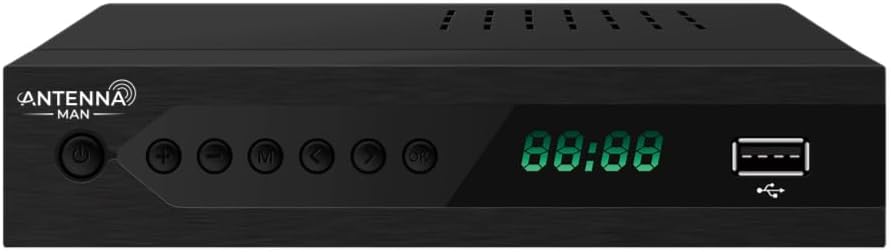
This meter focuses on ATSC digital signals but offers real-time strength readings useful for antenna aiming. It scores 3.8 based on user feedback regarding simplicity.
We may earn a commission when you buy through this link, at no additional cost to you.
It works as a converter box with a TV tuner, allowing you to see signal quality instantly. The plug-and-play nature makes it accessible for non-technical users quickly.
The main trade-off is its specific focus on TV rather than cellular bands. If you need a dedicated cellular tool, this might not be the primary solution.
However, for those combining TV and cellular needs, it is a decent option. It provides immediate visual feedback for optimizing antenna direction effectively.
Real-time signal strength updates help users adjust antenna positions without delay to achieve the best possible reception for viewing.
Plug-and-play functionality means minimal setup time is required to start evaluating signal strength for your specific location or setup.
We may earn a commission when you buy through this link, at no additional cost to you.
The Octopus is a professional-grade tool designed for complex cellular and IoT environments. With a strong 4.6 rating, it delivers precise RSRP and RSSI measurements.
We may earn a commission when you buy through this link, at no additional cost to you.
It operates without SIM cards or apps, which streamlines testing. Its support for all US carriers makes it versatile for diverse network deployments and commercial projects.
The cost is significantly higher than consumer meters, which may not suit everyone. However, the reliability and accuracy justify the investment for industrial or utility tasks.
If you are installing EV chargers or cellular boosters on a commercial scale, this device is unmatched. It ensures consistent connectivity and performance monitoring.
True RSRP and RSRQ measurements provide the depth required for engineering assessments and detailed signal quality analysis in field conditions.
The device requires no subscriptions or smartphone apps, allowing for standalone operation that saves time and reduces complexity in the field.
We may earn a commission when you buy through this link, at no additional cost to you.
The RF Explorer Pro offers broad frequency coverage and advanced visualization. While it lacks a rating yet, its specs indicate high utility for technical professionals.
We may earn a commission when you buy through this link, at no additional cost to you.
It combines a spectrum analyzer with a tracking generator and power meter in a single unit. The 8-inch screen provides clear real-time visualization for data interpretation.
The complexity may be a barrier for casual users, but for engineers, it is ideal. It allows for dynamic signal monitoring and interference analysis with precision.
This tool is best for those needing deep RF insights beyond simple aiming. It supports extensive connectivity and modular configurations for varied testing needs.
A 1280 x 800 touchscreen delivers crisp image quality for viewing complex spectrum data without strain during extended testing sessions.
Users can choose specific frequency ranges like 3.3 GHz or 6 GHz to match their specific analysis requirements without buying extra hardware.
We may earn a commission when you buy through this link, at no additional cost to you.
This kit earns a perfect 5 rating for its advanced capabilities in network testing. It integrates WiFi 6E and cellular spectrum analysis for comprehensive coverage.
We may earn a commission when you buy through this link, at no additional cost to you.
The inclusion of an external directional antenna and NXT-2000 spectrum analyzer makes it a complete solution. It supports tri-band detection across 2.4GHz, 5GHz, and 6GHz.
Cost is a major factor, making it suitable for enterprise environments. Remote collaboration tools help troubleshoot issues without travel, saving time and resources.
If you manage complex wireless networks, this kit is a top tier choice. It ensures robust performance through accurate physical location and data management.
AirMapper Site Survey enables remote engineers to collaborate with on-site technicians, solving problems efficiently without the need for travel.
The package includes a shoulder bag, AC charger, and directional antenna, ensuring you have everything needed to start testing immediately.
We may earn a commission when you buy through this link, at no additional cost to you.
The Extech 480836 is designed for EMF measurements across a high frequency range. It scores 4.3 for reliable detection of mobile and base station signals.
We may earn a commission when you buy through this link, at no additional cost to you.
Its three-channel isotropic probe captures signals from all directions equally. This makes it excellent for safety assessments and general signal strength checks.
However, for precise antenna aiming, the non-directional nature may limit accuracy. You need directional feedback to optimize specific antenna orientations effectively.
If your goal involves health and safety monitoring alongside signal checks, this meter is reliable. It provides consistent data without needing complex directional adjustments.
Three-channel probe technology ensures that signals from any angle are measured accurately for a comprehensive field assessment.
You can manually store up to 99 sets of measurements for later review, which helps track changes over time or during installations.
We may earn a commission when you buy through this link, at no additional cost to you.
The MINI1300 offers impressive features for a budget price. With a 4.4 rating, it is a favorite among hobbyists looking for effective antenna tuning tools.
We may earn a commission when you buy through this link, at no additional cost to you.
Its 4.3-inch TFT LCD screen provides clear visibility of measurements. The frequency range covers 0.1-1300MHz, which includes many common bands.
Users note that firmware updates are not possible, which is a fixed limitation. However, the device performs well for SWR and frequency sweeps in its range.
For those wanting quality without high costs, this analyzer is a solid choice. It balances portability and functionality well for various antenna setups.
The large touchscreen makes navigating menus and viewing results simple, reducing setup time in field environments.
Its compact size allows technicians to carry the analyzer easily in a pocket or bag for on-site testing without extra bulk.
We may earn a commission when you buy through this link, at no additional cost to you.
The SA6 is a versatile handheld tool that integrates a spectrum analyzer and signal generator. It supports a broad range from 35 to 6200MHz for various wireless tech.
We may earn a commission when you buy through this link, at no additional cost to you.
The resistive touchscreen and physical buttons make operation intuitive in workshops or field conditions. It weighs only 380g, ensuring comfort during long sessions.
Battery performance varies by batch, so testing before critical use is wise. Connectivity via USB Type-C supports real-time logging for detailed analysis.
This unit is great for technicians needing a portable all-in-one RF tester. It handles WiFi and cellular signals effectively for general diagnostics.
The ability to switch instantly between analyzer and generator modes enables quick characterization of RF components without swapping tools.
Physical buttons alongside touch controls provide a reliable interface when gloves or harsh conditions prevent smooth touchscreen use.
We may earn a commission when you buy through this link, at no additional cost to you.
This handheld analyzer offers comprehensive RF capabilities with added accessories. It covers 35 to 6200MHz and includes cables and a stylus for immediate use.
We may earn a commission when you buy through this link, at no additional cost to you.
The tracking generator delivers stable output, allowing you to measure filters and amplifiers. This adds significant value over standalone analyzers.
Generic branding means checking compatibility before purchase is important. However, the rugged design ensures it can handle onsite use in tight spaces.
For hobbyists wanting a complete kit without separate purchases, this is practical. It provides rapid assessment features and fast scan times for quick tests.
Everything needed to start analyzing, such as extension cables and a data cable, is included to reduce setup and purchasing time.
Full-span scans take less than 0.25 seconds, enabling quick RF environment assessment without long waiting times.
We may earn a commission when you buy through this link, at no additional cost to you.
The Channel Master Meter is ideal for OTA TV antenna alignment. It displays RF signal level and SNR clearly on a color touchscreen.
We may earn a commission when you buy through this link, at no additional cost to you.
Its support for all ATSC frequencies within the USA ensures compatibility with standard broadcasts. A built-in rechargeable battery simplifies power management.
While great for TV, it lacks specific cellular bands for mobile boosters. This makes it less suitable for general cellular antenna aiming compared to other tools.
If your primary need is TV antenna installation, this meter is straightforward and reliable. It comes with a protective case and stylus for convenience.
Showing Signal to Noise Ratio helps optimize antenna position for the clearest possible signal reception and minimal static or interference.
The inclusion of a stylus and protective carrying case ensures the device is easy to use and safe during transport to different locations.
We may earn a commission when you buy through this link, at no additional cost to you.
Selecting the right signal meter requires understanding your specific frequency needs and installation environment. We break down the key factors to consider before purchasing.
Ensure the meter supports the bands you intend to measure. For cellular, this often includes 700MHz, AWS, PCS, and 2100MHz. LTE and 5G require newer devices.
Check if the device covers both low and high bands to avoid missing critical signal data.
High sensitivity allows for detection of weak signals that might be missed by basic devices. Look for dBm ratings that indicate how low a signal the meter can detect.
Precision tools like the Octopus offer true RSRP for professional-grade accuracy.
A clear display helps read values quickly under sunlight or in dim areas. Touchscreens are intuitive but physical buttons work better with gloves.
Look for backlight options to ensure readability in dark installation spots.
Rechargeable batteries reduce ongoing costs compared to disposable AA or AAA cells. Check runtime hours to plan for field work without interruptions.
USB charging adds convenience when traveling or working remotely.
Field work often involves climbing or moving between locations. A compact, lightweight design reduces fatigue. Cases or bags help protect the unit.
Weight matters more for handheld tools used all day.
Isotropic meters measure signals from all directions equally, useful for safety checks. Directional tools help pinpoint specific sources for antenna alignment.
Choose based on whether you need broad coverage or precise aiming.
Ensure the meter works with your specific carrier or equipment. Some tools require SIMs or apps, while others work standalone.
Simplicity often means fewer compatibility issues.
Prices vary from basic handhelds to professional analyzers. Assess your needs to avoid overspending on advanced features you do not require.
Consider long-term value and warranty support.
To begin, calibrate your device according to the manufacturer instructions. This ensures that readings are accurate and consistent across different environments. Power on the unit and allow it to stabilize for a few seconds.
Point the meter in the direction you want to test. Move slowly and observe changes in the display. For directional antennas, align the meter parallel to the antenna elements. Note peak signal values for optimal aiming.
Keep the device dry and clean to maintain performance. Store it in a protective case when not in use. Regularly check battery levels and recharge as needed to ensure readiness for field tasks.
A good meter should cover major bands like 700MHz, AWS, PCS, and LTE ranges. This ensures it can detect signals across different carriers. Always verify band support before purchase.
Some meters do not require SIM cards or apps. This simplifies usage by avoiding carrier restrictions. Standalone devices are often preferred for general signal analysis.
Handheld meters are accurate enough for most installations. Professional tools offer higher precision and more detailed data. Choose based on your technical needs.
TV meters focus on broadcast frequencies which differ from cellular bands. They are not suitable for cellular booster installation. Use a dedicated cellular meter instead.
Battery life varies by device but often ranges from 3 to 5 hours. Rechargeable models reduce long-term costs. Check specs to ensure it fits your work day.
Measuring signals with a passive meter is generally legal. However, transmitting or interfering with signals may require authorization. Always follow local regulations when working on antennas.
We have explored the top ten devices including the SureCall Five-Band and Berkeley Varitronics Octopus. Each offers unique benefits for different user needs.
Prioritize frequency range and accuracy to get the most out of your installation. Avoid tools that do not support your specific carrier bands.
Prices and availability change often so check current listings before buying. These devices improve connection quality and installation efficiency for all users.