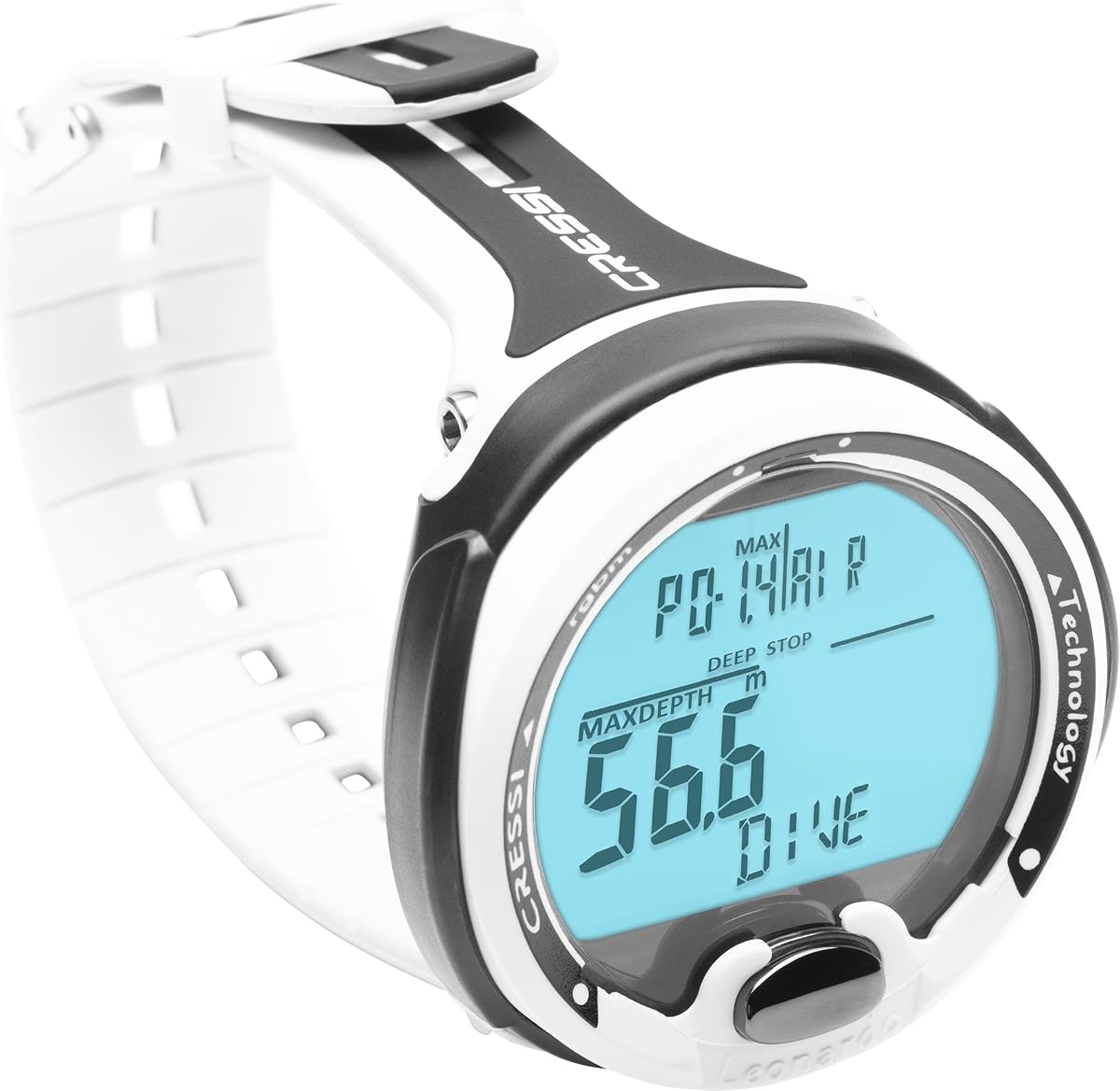
CRESSI Leonardo 2.0 G2 Dive Watch
4.2Editor score
Single button interface simplicity
Air and nitrox modes
Bluetooth data connectivity
This guide compares the top ten dive computers for beginners evaluating safety features usability and reliability to help new divers choose the perfect
Starting your scuba journey requires reliable gear to track depth and time safely. A good dive computer simplifies decompression limits and shows vital data clearly. It helps you focus on the underwater world while staying within safe breathing margins throughout your exploration.
We compared ten leading models based on interface simplicity battery life and essential safety alarms. Our analysis highlights devices designed for new divers who need intuitive controls without overwhelming technical complexity. Each option supports air and nitrox diving to grow with your skills over time.
Each pick below shows specific strengths like display quality or connectivity options for logging dives. Remember that product availability and pricing can change frequently so verify details before purchasing. Choosing the right tool ensures confidence and safety as you explore the oceans responsibly.
4.2Editor score

4.8Editor score

4.7Editor score
This side-by-side comparison highlights key specifications across all ten models to help you identify the best fit for your diving style and budget needs efficiently.


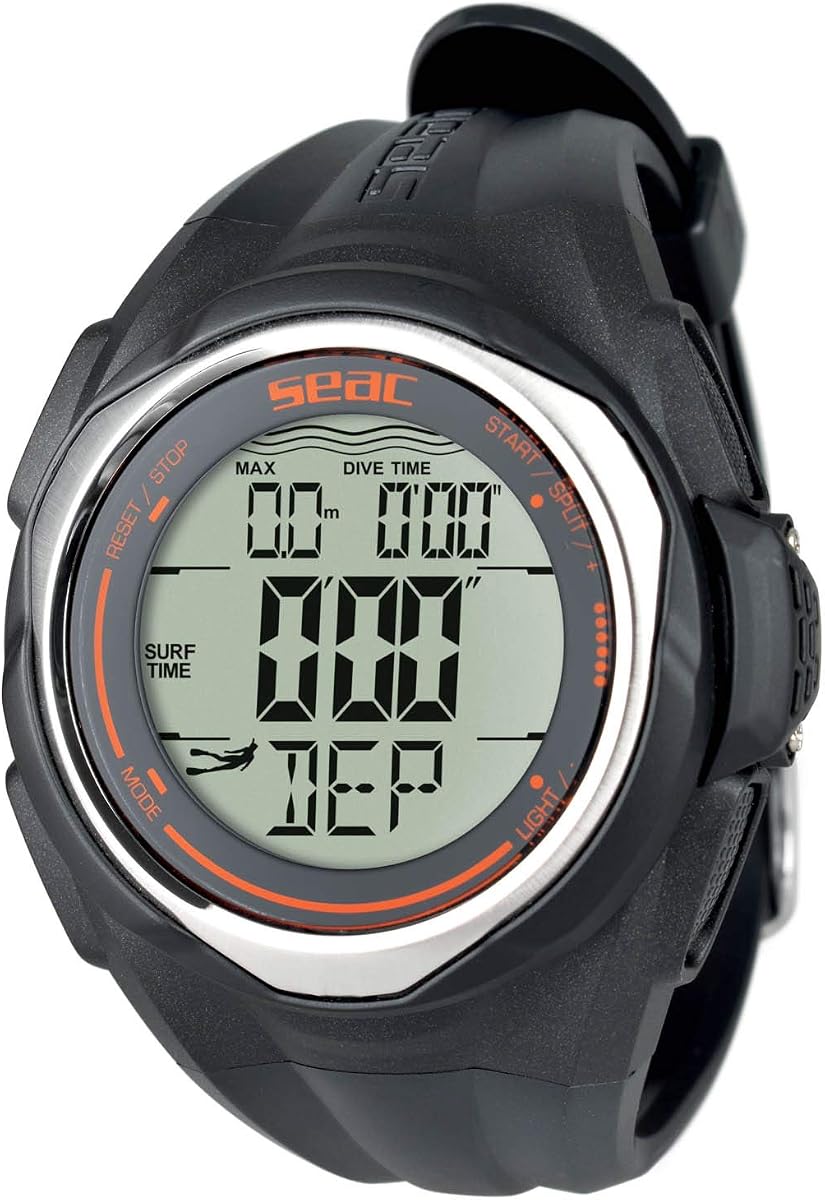
The Mares Puck Pro EZ stands out with its high contrast screen ensuring readability in various light conditions. With a 4.8 rating it offers reliable decompression calculations using the Buhlmann ZH-L16C algorithm. Its wrist-mounted design is lightweight and comfortable for long dives.
We may earn a commission when you buy through this link, at no additional cost to you.
Key strengths include its single button interface which simplifies navigation underwater significantly. The device supports Nitrox settings allowing divers to tailor gas mixtures for safety. Connectivity via Bluetooth enables easy log uploads to smart devices for tracking progress effectively.
Honest trade-offs involve its basic aesthetic design compared to more colorful modern options. Some users might find the display options limited during complex dive profiles. However these factors are acceptable given the focus on core safety and ease of use for beginners.
This model is ideal for new divers seeking a straightforward reliable tool for underwater tracking. Its long battery life ensures readiness for multiple dives without frequent changes. We recommend it as a top choice for those valuing functionality and clarity.
The bright screen ensures critical data like depth and no-deco limits remain visible even in low light.
Bluetooth integration allows quick transfer of dive logs to smartphones for easy sharing and record keeping.
We may earn a commission when you buy through this link, at no additional cost to you.
The CRESSI Leonardo 2.0 G2 offers Italian craftsmanship at an accessible price point ideal for beginners. It features a single button interface that streamlines menu navigation underwater effectively. Visual and audible alarms keep you informed of critical dive data promptly.
We may earn a commission when you buy through this link, at no additional cost to you.
Versatile dive modes support Air Nitrox and Gauge setups providing flexibility for various scenarios. Seamless integration with iOS and Android devices enhances dive tracking capabilities significantly. The infrared transfer capability ensures logs are managed easily after returning from the water.
Trade-offs include a basic interface that may lack advanced customization options. Connectivity features while functional are not as robust as newer Bluetooth models. These limitations are acceptable for budget conscious divers prioritizing core functionality over high tech extras.
This device suits beginners looking for a reliable watch style computer without complex features. Its design prioritizes safety and ease of use during underwater exploration. We recommend it for those starting their journey with a trusted name.
Navigating underwater menus is straightforward with the single button design reducing confusion during dives.
Air Nitrox and Gauge modes allow divers to use the device across multiple diving setups effectively.
We may earn a commission when you buy through this link, at no additional cost to you.
The Shearwater Research Peregrine provides a state-aware menu structure that adapts to your dive status dynamically. With a 4.7 rating it delivers precision through its two-button interface and stainless steel buttons. USB wireless charging ensures convenient power management over time.
We may earn a commission when you buy through this link, at no additional cost to you.
Key strengths include the battery life of up to 30 hours on medium brightness levels. The inclusion of a USB wireless charging station adds modern convenience to maintenance. This design supports divers who value longevity and ease of access to data.
Trade-offs involve a potentially higher initial cost compared to standard beginner models. The menu structure may require a short learning curve for new users. However these aspects are acceptable for those seeking a premium reliable device for long term use.
This model is perfect for divers who prioritize advanced features and build quality in their gear. It offers a seamless experience with intuitive controls that grow with your skills. We recommend it for those ready to invest in top-tier equipment.
The interface automatically adjusts available options based on current dive status reducing user input.
With up to 30 hours of battery life users can enjoy extended periods between charges.
We may earn a commission when you buy through this link, at no additional cost to you.
The Garmin Descent X30 is a rugged dive computer featuring a vibrant color display and surface GPS capabilities. It tracks surface interval and helps navigate to dive sites using the GPS integration. The 10 ATM rating ensures durability for depths up to 100 meters.
We may earn a commission when you buy through this link, at no additional cost to you.
Key strengths include customizable screens allowing up to three data fields per page. Real time depth metrics impact on no-decompression limits are visible for better planning. The onboard water temperature sensor helps find thermoclines during your underwater adventures.
Trade-offs include a more complex interface that may overwhelm absolute beginners initially. The price point is higher than entry level options in this comparison. These factors are acceptable for divers needing detailed navigation and rugged durability for their dives.
This model suits divers who want advanced mapping features and a large screen. It is ideal for those planning dives in unfamiliar locations where GPS navigation is vital. We recommend it for experienced beginners looking to grow into technical diving.
Marking entry and exit points helps you plan multiple dives in a single day effectively.
The vibrant screen allows more data to be visible at a glance underwater easily.
We may earn a commission when you buy through this link, at no additional cost to you.
The SUUNTO D5 is a sleek wrist dive computer featuring a color display and wireless tank pressure monitoring. It is waterproof to 100 meters making it suitable for most recreational dives easily. A digital compass helps you navigate underwater without needing a separate tool.
We may earn a commission when you buy through this link, at no additional cost to you.
Key strengths include vibration alarms that alert you to critical data discreetly. Wireless mobile connection allows for easy data sync with your smartphone. The all black design is versatile and matches a wide range of dive gear.
Trade-offs involve battery life that may require more frequent charging than some rivals. The menu system can be complex for new divers to navigate quickly. These are acceptable trade-offs for those valuing a compact modern design and wireless features.
This model is perfect for divers wanting a stylish computer with essential smart features. It provides reliable data tracking and navigation tools in a slim package. We recommend it for those prioritizing aesthetics and wireless connectivity.
Connectivity allows seamless data transfer without needing physical cables after your dive.
Vibration alerts keep you informed of critical status changes without loud noise.
We may earn a commission when you buy through this link, at no additional cost to you.
The Cressi Donatello offers single-button simplicity to streamline your dives effortlessly. It supports both air and nitrox modes for flexibility in various diving setups. The included freediving gauge mode makes it a versatile tool for breath-hold sessions too.
We may earn a commission when you buy through this link, at no additional cost to you.
Key strengths include user-selectable deep stops for personalized ascent planning and safety. The intuitive interface reduces confusion underwater allowing you to focus on the environment. IR interface compatibility provides a flexible solution for logging and reviewing dive history.
Trade-offs involve limited color transfer options compared to Bluetooth devices. The design is functional but may lack premium finishes for some users. These are acceptable for budget conscious beginners seeking reliable dual mode performance.
This model suits divers who need a straightforward device for multiple types of diving. Its single-button design is ideal for those prioritizing ease of use. We recommend it for beginners wanting a reliable tool for air and freediving.
Air nitrox and gauge modes allow one device to handle multiple diving scenarios.
User-selectable deep stops enhance safety by allowing personalized ascent management.
We may earn a commission when you buy through this link, at no additional cost to you.
The Cressi Raffaello features a built-in digital compass to eliminate the need for separate tools. It uses an RGBM based mixed-gas planning system for precise dive preparation. Four operating modes including apnea and gauge support a wide range of activities.
We may earn a commission when you buy through this link, at no additional cost to you.
Key strengths include Bluetooth and USB connectivity for effortless data review and storage. The user-replaceable battery offers an expected life of four years reducing maintenance needs. This versatility ensures you can dive confidently without worrying about battery changes.
Trade-offs involve the design style which may not suit all aesthetic preferences. The price is moderate but higher than basic single mode units. These are acceptable for divers needing a robust multi-mode tool with long battery life.
This model is ideal for divers wanting a comprehensive tool with navigation features. The compass integration simplifies underwater orientation significantly for new users. We recommend it for those seeking reliability and extended battery life.
The digital compass eliminates the need for a separate tool enhancing convenience underwater.
Advanced planning allows for meticulous preparation for multiple gas mixes safely.
We may earn a commission when you buy through this link, at no additional cost to you.
The Garmin Descent Mk3i offers a stunning AMOLED display with a scratch-resistant sapphire lens. It features SubWave sonar technology for diver-to-diver communication underwater effectively. The dive readiness tool assesses lifestyle factors like sleep and stress to help you plan better.
We may earn a commission when you buy through this link, at no additional cost to you.
Key strengths include a built-in LED flashlight for visibility in low light conditions. DiveView maps provide bathymetric contours to help you find and orient at dive sites. Health monitoring features offer insights into wellness to ensure you are prepared for diving.
Trade-offs involve the high cost and complexity of advanced features. New users might find the number of options overwhelming at first. These are acceptable for those needing a premium all-in-one tool for diving and daily wear.
This model suits divers wanting a high-tech watch style computer with extensive features. It combines safety tools with everyday smartwatch capabilities seamlessly. We recommend it for advanced beginners looking for comprehensive performance.
Assessing sleep and stress helps make better-informed decisions about dive preparation.
Bathymetric depth contours help you find where to dive and get oriented easily.
We may earn a commission when you buy through this link, at no additional cost to you.
The Garmin Descent G2 combines rugged watch-style design with advanced dive readiness features. It supports all diving types including recreational technical and freediving effectively. Dive readiness insights provide guidance on how sleep and stress affect your preparedness.
We may earn a commission when you buy through this link, at no additional cost to you.
Key strengths include smart notifications and contactless payments for everyday wear versatility. Multi-GNSS support allows you to mark exact surface entry and exit points easily. The housing and bezel are made from 100% recycled ocean-bound plastics.
Trade-offs involve the higher price point compared to basic dive computers. Setting up the smart features may require initial time investment. These are acceptable for divers wanting a stylish tool that works for daily activities too.
This model is ideal for divers who need a seamless daily watch and dive tool. It offers reliable tracking and smart convenience in a versatile package. We recommend it for tech-savvy beginners looking for dual functionality.
Smart notifications and payments allow the device to function as a full smartwatch.
100% recycled plastics in the housing support ocean conservation efforts.
We may earn a commission when you buy through this link, at no additional cost to you.
The SEAC Partner is a wrist-mount computer specifically designed for freediving enthusiasts. It records sessions up to 99 dives with a stopwatch and countdown function. The backlit display ensures readability in low light underwater environments easily.
We may earn a commission when you buy through this link, at no additional cost to you.
Key strengths include its simple design and standard battery which is easy to replace. It is water resistant to 100 meters making it suitable for most freediving depths. Its affordability makes it a great entry tool for breath-hold divers.
Trade-offs involve the lack of decompression algorithms for scuba diving. The features are limited compared to full scuba computers. These are acceptable for divers strictly focused on freediving and basic session tracking.
This model suits those interested solely in breath-hold diving without scuba needs. It provides essential tracking for sessions in a compact reliable device. We recommend it for freedivers looking for a simple and effective tool.
The device is designed specifically for breath-hold sessions with essential session tracking.
A stopwatch and countdown function help manage dive intervals efficiently.
We may earn a commission when you buy through this link, at no additional cost to you.
Selecting a dive computer requires understanding key factors like interface simplicity safety alarms and connectivity to ensure the device meets your beginner needs.
For beginners a single or two-button interface is crucial for navigating menus underwater without confusion. Complex touchscreens may fail or be hard to operate with gloves and water.
Look for devices with clear buttons and logical menu structures to reduce stress during dives.
Audible and visual alarms are essential to alert you to critical changes like exceeding depth limits or fast ascents. These features help prevent accidents by ensuring you react to warnings promptly underwater.
Ensure the device offers vibration or beep options that you can hear even with gear on.
A high contrast screen ensures data like depth and time is clear in varying underwater light. Backlit displays help if you dive in darker environments or night conditions safely.
Choose a display size large enough to read quickly without straining your eyes.
Bluetooth or infrared connectivity allows you to transfer dive logs to your phone or computer easily. This helps track your progress and analyze dives after returning to the surface.
Select a model with compatible app support for seamless data management and sharing.
Long battery life ensures your device is ready for multiple dives without frequent charging needs. Models lasting 30 hours or more reduce the risk of power loss during your trip.
Opt for devices with replaceable or rechargeable batteries that are easy to maintain.
Support for Air and Nitrox modes is standard for beginners to handle common dive gases safely. Some models also offer freediving or gauge modes if you plan to explore different styles.
Choose a model that supports the types of diving you intend to do now and in the future.
A rugged build with metal buttons and a strong strap ensures the device survives drops and pressure. Waterproof ratings should match or exceed your planned dive depth to avoid damage.
Look for reinforced designs that can withstand the physical demands of regular diving activities.
A built-in digital compass helps you navigate underwater without carrying a separate tool. This is useful for finding your way back to the boat or shore efficiently.
Prioritize models with accurate compass features if navigation is a priority for your dives.
Before your first dive charge the device fully or replace the battery. Check that the screen is responsive and all settings like gas mix are configured correctly to ensure accurate tracking during the session.
After each dive rinse the computer with fresh water to remove salt and sand. Wipe it dry with a soft cloth and store it in a cool dry place away from direct sunlight to preserve the electronics.
Regularly update the software if your model allows it via computer or smartphone apps. This ensures you have the latest safety algorithms and bug fixes for reliable performance on future dives.
Many dive schools provide computers during training but owning your own helps build familiarity with data reading. It ensures you have consistent settings and alarms as you start diving independently after certification.
Most models support Nitrox settings allowing you to safely use enriched air for longer dives. Always ensure your computer is set to the correct gas mix before entering the water to avoid errors.
With proper care these devices can last many years but technology and battery life may dictate upgrades. If features become outdated or the screen fails it is time to replace it for safety.
Yes Bluetooth allows you to sync logs after dives and is designed to work without interference underwater. Ensure your device has this feature if you want easy access to your dive history on your phone.
A simple button interface uses one or two buttons for all functions making it easy to navigate with gloves. This design reduces mistakes underwater and is ideal for beginners learning to trust their gear.
Some models include freediving modes to track breath-hold sessions separately from scuba. If you do both ensure your device supports both modes to avoid data mixups during your activities.
Look for models with backlit screens to improve visibility in low light. A high contrast display also helps you distinguish data clearly without relying on a flashlight during every dive.
Rinsing with fresh water after each use and storing it properly keeps it functioning well. Check batteries regularly and update software when available to ensure the device remains reliable.
The Mares Puck Pro EZ CRESSI Leonardo 2.0 G2 and Shearwater Research Peregrine stand out as top choices. Each offers unique strengths like affordability usability or advanced features to suit different beginner needs effectively.
Prioritize safety alarms interface simplicity and battery life when making your final decision. These factors ensure you have a reliable tool that helps you focus on the experience rather than the gear.
Remember to check current product availability and details before purchasing to ensure the best value. Choosing the right computer sets you up for a safe and enjoyable diving journey ahead.