PELEGON Bed Alarms for Elderly Dementia Patients
4.7Editor score
Long range wireless pager
Tool free setup process
Custom sound or vibration
Finding the right bed alarm for elderly and dementia patients is crucial for safety and independence at home. These devices detect movement or weight changes to alert caregivers before falls occur during the night or day.
We evaluated ten leading systems based on sensor accuracy, range, alert modes, and ease of setup. Each product was selected for its ability to provide reliable monitoring without disturbing the patient's sleep or routine.
Every pick below highlights specific strengths like wireless range, battery life, and customization options. Keep in mind that product details and availability may change so always verify current information before buying.
4.7Editor score
4.8Editor score

4.5Editor score
As an Amazon Associate we earn from qualifying purchases.
This side by side comparison shows key specs for all ten top rated bed alarm systems to help you find the best fit for your home care needs.



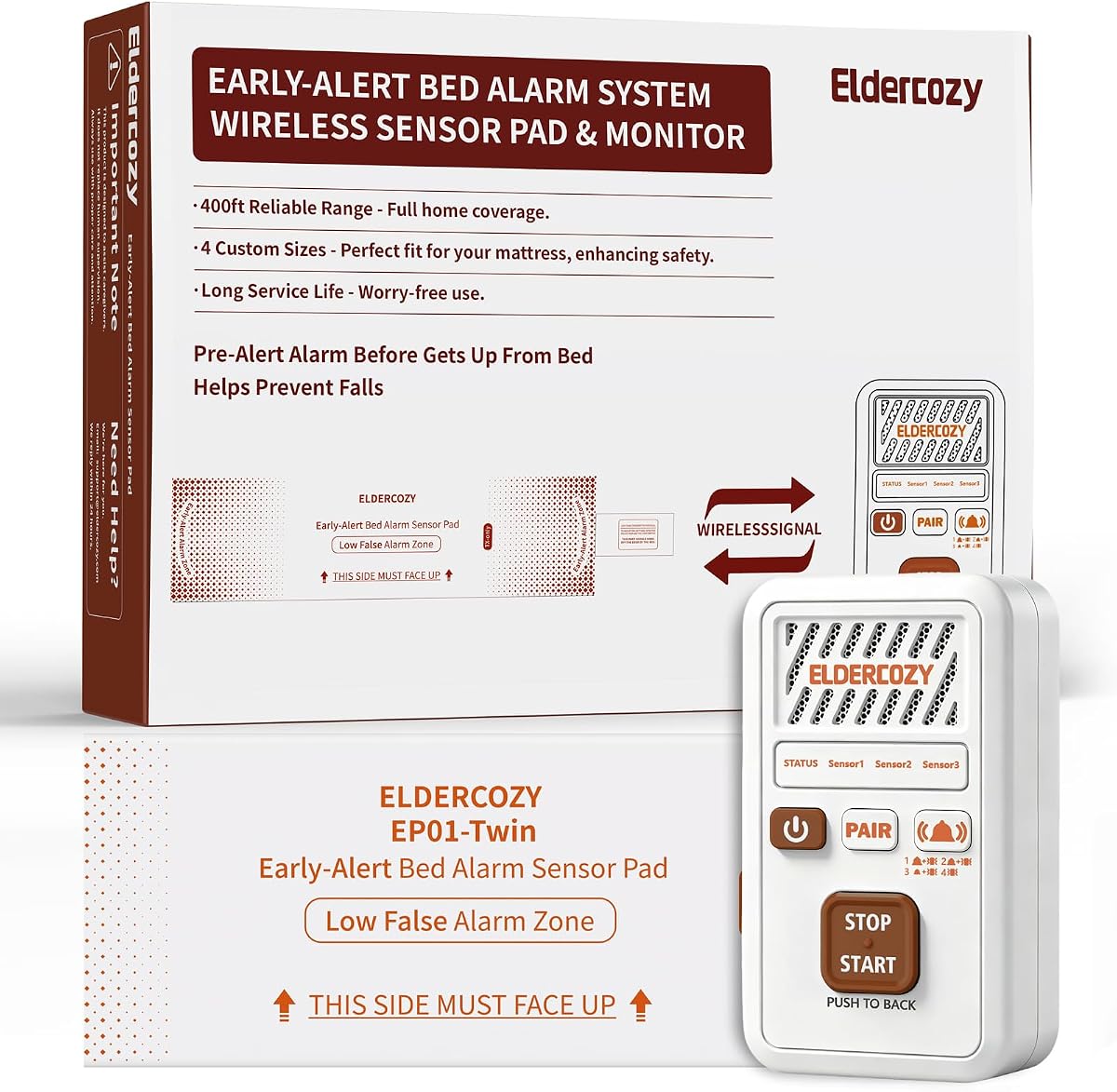
This early alert system stands out for its comfort and timing. With a 4.8 rating it uses a hip level sensor to notify caregivers before the patient fully stands up.
We may earn a commission when you buy through this link, at no additional cost to you.
The TPU pad is soft and waterproof avoiding the noise of PVC mats. It supports replaceable AAA batteries and offers a caregiver mode to pause alerts during assistance.
The only trade offs are the higher price and need to replace batteries manually. These are acceptable given the improved comfort and reliable early warning system.
It is ideal for families needing dependable overnight monitoring. The combination of quiet operation and fast response makes it a top choice for home care.
The TPU composite pad eliminates crinkling sounds that can disturb sleep and improves comfort compared to traditional PVC sensors.
Hip level placement triggers alerts when the patient sits on the edge of the bed rather than waiting until they attempt to stand.
We may earn a commission when you buy through this link, at no additional cost to you.
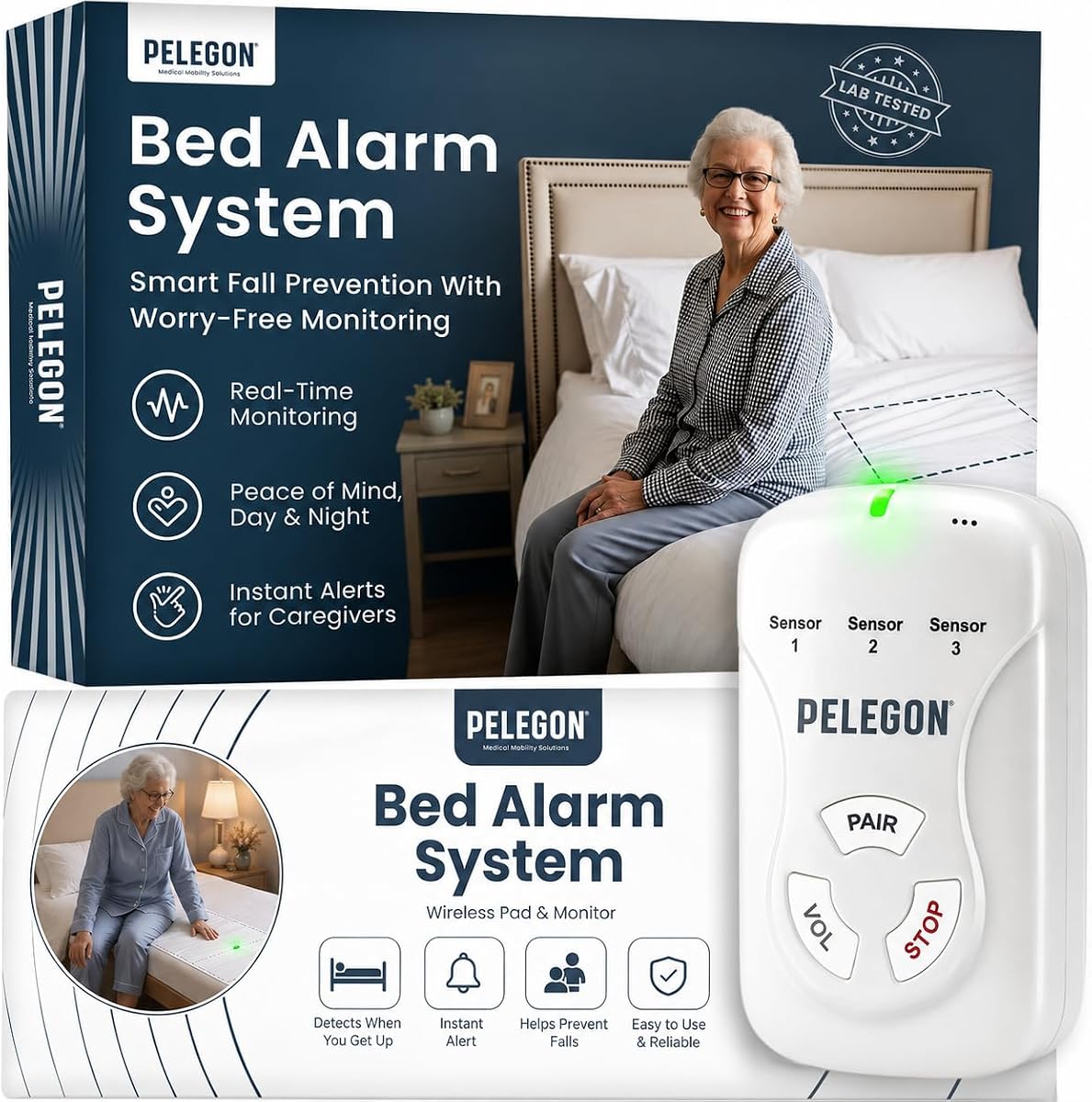
PELEGON offers a premium experience with its focus on range and ease of use. It features a wireless pager that clips to a belt for hands free monitoring.
We may earn a commission when you buy through this link, at no additional cost to you.
The tool free setup lets you place the pad under the sheet and start monitoring quickly. Custom sound or vibration modes allow flexible alerting for day or night.
It relies on batteries and lacks advanced comfort features like TPU. These are minor drawbacks given the strong coverage and ease of setup for caregivers.
This system is best for those who need reliable long range alerts. Its simplicity and customization make it a strong choice for dementia care at home.
The system connects quickly without screws or tools making it easy to set up and move between beds as needed.
Alerts help caregivers respond sooner to reduce unsafe wandering and nighttime accidents for patients with dementia.
We may earn a commission when you buy through this link, at no additional cost to you.
This budget friendly option uses motion detection on the floor instead of a bed pad. It triggers when feet touch the ground helping prevent falls without extra equipment.
We may earn a commission when you buy through this link, at no additional cost to you.
The signal reaches 918 feet in open areas and supports dual power via battery or USB. It includes an LED light and sound alert to ensure caregivers notice.
Floor placement may need testing to avoid false triggers and setup is less intuitive. These are acceptable trade offs for the low price and wide range.
It is a great pick for tight budgets or large rooms. The motion sensor approach offers flexibility and coverage without needing a mattress pad.
Place the sensor on the floor under the bed to detect foot contact rather than pressure on the mattress.
You can power the device with batteries or a micro USB cable for continuous operation without frequent changes.
We may earn a commission when you buy through this link, at no additional cost to you.
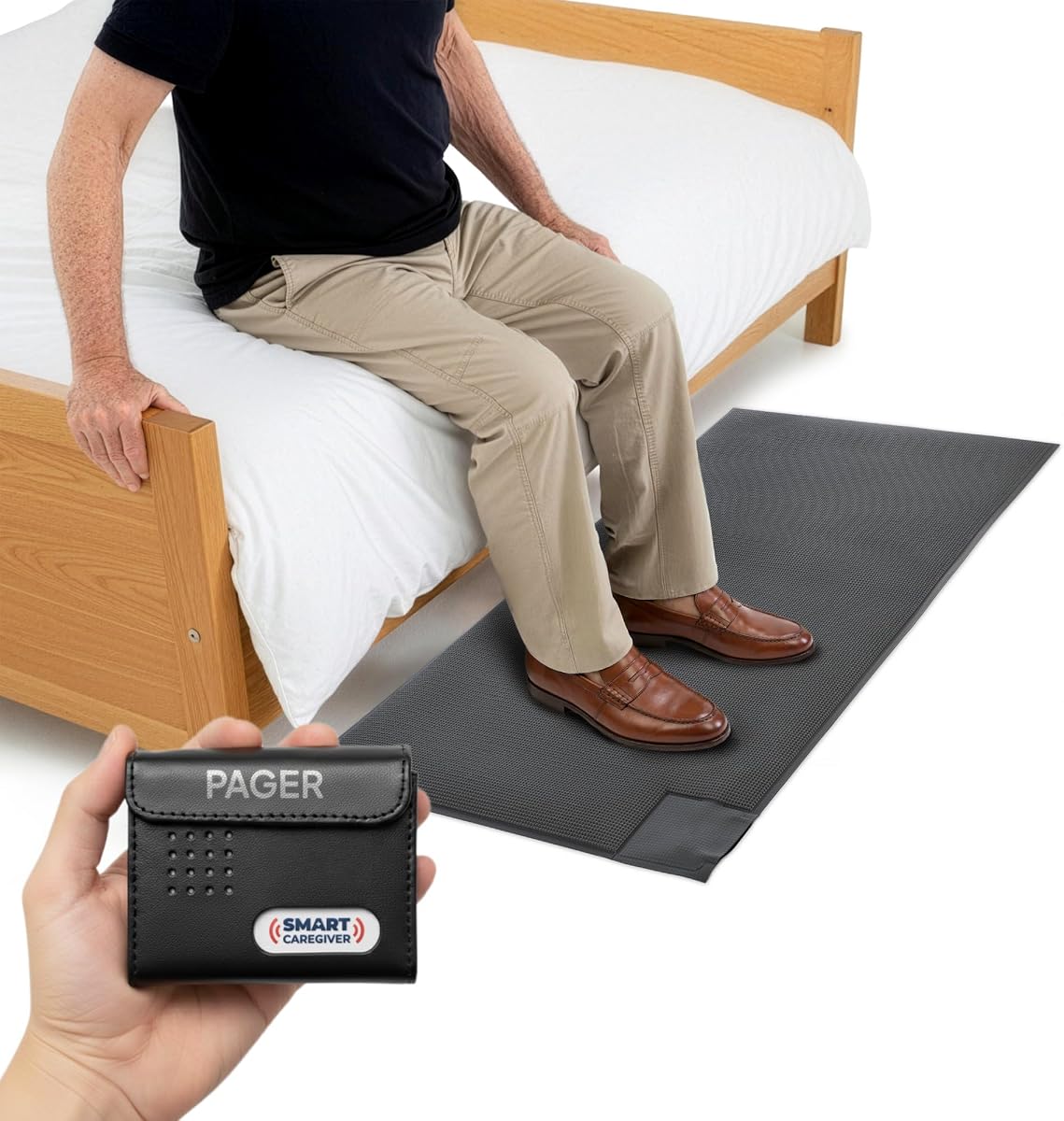
Smart Caregiver offers a classic solution with a soft vinyl foam pad. It alerts when pressure is removed from the pad to notify caregivers that the patient is up.
We may earn a commission when you buy through this link, at no additional cost to you.
The monitor mounts easily on a bed or wall and includes a reset button and status lights. You can add a wireless pager kit if you want off room alerts.
The corded monitor limits placement and the pager adds extra cost. These are minor issues given the durable pad and straightforward operation for daily use.
Choose this if you prefer a simple in room alarm with optional expansion. The reliable pad and easy cleanup suit long term caregiving needs.
The sealed vinyl pad resists incontinence and wipes clean with a wet cloth for long lasting hygiene.
An add on kit allows alerts to send directly to a pager avoiding startling noises in the patient's room.
We may earn a commission when you buy through this link, at no additional cost to you.
This floor mat system alerts when someone steps on the durable sensor pad. It sends a sound or vibrate alert to a wireless pager for off room monitoring.
We may earn a commission when you buy through this link, at no additional cost to you.
The mat is large and can be placed at the bedside or by an exit door. You can monitor multiple devices from the included pager for full coverage.
Batteries are not included and the mat takes floor space. These are minor issues compared to the strong prevention and coverage for wandering or falls.
It is best for caregivers wanting off room alerts with a large sensor. The ability to pair with other alarms makes it versatile for home safety.
Place the mat by an exit door to alert caregivers when the patient attempts to leave the room or house.
The included pager offers audible or vibrate alerts so residents are not startled by loud room noises.
We may earn a commission when you buy through this link, at no additional cost to you.
This exit alarm uses a full coverage weight sensor to alert when the patient leaves the bed. It offers expandable monitoring for multiple areas with a single pager.
We may earn a commission when you buy through this link, at no additional cost to you.
An extra large contact sensor helps reduce false alarms for better trust. The pager supports up to six sensors and alerts via vibrate or sound.
Setup may vary with shoulder or hip placement and the cord limits monitor placement. These are minor trade offs for the reliability and expandability.
It is ideal for caregivers who want to monitor beds and chairs. The expandable network and reduced false alarms make it a strong choice.
The engineered extra large contact sensor minimizes false alerts caused by incontinence or patient shifting.
The pager supports up to six sensors for comprehensive monitoring across beds, chairs, and doorways.
We may earn a commission when you buy through this link, at no additional cost to you.
This system uses a motion sensor on the floor beside the bed to detect feet touching the ground. It supports silent or vibrate modes and portable receiver charging.
We may earn a commission when you buy through this link, at no additional cost to you.
The sensor rotates 360 degrees to avoid false alarms from incontinence or restless sleep. The receiver offers 18 ringtones and 5 volume levels for customization.
Sensor placement requires testing and batteries are replaceable rather than rechargeable. These are small issues for the flexibility and customization it offers.
Pick this for homes needing flexible sensor placement and portable alerts. The rotation and ringtones make it adaptable for different care needs.
The sensor rotates 360 degrees to reduce false triggers from minor movements or bed shifting.
Choose from 18 ringtones and 5 volume levels to tailor notifications for day or night use.
We may earn a commission when you buy through this link, at no additional cost to you.
This professional sensor is factory paired and ready to use with batteries. It detects feet touching the floor or can monitor doorways for room exit.
We may earn a commission when you buy through this link, at no additional cost to you.
The signal reaches 918 feet and supports micro USB power to avoid socket use. Alerts include light flashing or sound with adjustable brightness and volume.
The factory pairing means no setup but limits flexibility if parts change. These are acceptable given the durability and wide open range coverage.
It suits caregivers needing wide range alerts and power options. The pre paired setup and light modes make it reliable for various environments.
The receiver and sensor come paired to simplify setup without manual programming steps.
Use the micro USB cable to power the device without needing a dedicated power socket.
We may earn a commission when you buy through this link, at no additional cost to you.
This system includes both bed and chair pads with a single monitor. It alerts when pressure is removed so caregivers know assistance is needed.
We may earn a commission when you buy through this link, at no additional cost to you.
A phone style clip lets you switch between bed and chair easily. The monitor clips to a headboard or chair back and includes a reset button.
Moving the monitor may be needed if you want separate alerts. These are minor issues for the versatility of covering chairs and beds together.
Choose this if you need chair and bed monitoring together. The clip design and two pads simplify alerts across the care area.
Use the phone style clip to quickly switch the monitor between the bed and chair sensors.
The kit includes a bed pad and chair pad for flexible fall prevention across multiple spots.
We may earn a commission when you buy through this link, at no additional cost to you.
This sensor pad uses motion detection to trigger an alarm when the patient leaves the bed. It includes a portable pager with music and vibration alerts.
We may earn a commission when you buy through this link, at no additional cost to you.
The pad is latex free and water resistant for easy cleaning. It clips under the fitted sheet and the pager works up to 300 feet.
The rating is lower due to basic performance. These are acceptable given the portability and flexible alert modes for home or hospital use.
It is best for caregivers wanting a lightweight system. The portable pager and water resistant pad make it useful for varied settings.
The lightweight pager reaches up to 300 feet allowing caregivers to move freely while staying alerted.
The pad is water resistant and latex free for long lasting hygiene and easy cleaning.
We may earn a commission when you buy through this link, at no additional cost to you.
Choosing the right bed alarm requires weighing sensor type, alert method, and ease of use for your care setting.
You can pick between pressure pads or motion floor sensors. Pressure pads detect weight changes when a patient sits or leaves the bed while floor sensors trigger when feet touch the ground.
Choose the type that best fits the patient's mobility and your home layout.
Alerts can be sound inside the room or wireless pagers for off room monitoring. Pagers let caregivers move freely and prevent startling the patient with loud noise.
Wireless pagers offer more flexibility for caregivers who work elsewhere in the home.
Wireless range matters if you monitor from another room. Look for models offering 300 feet or more to ensure reliable connection throughout your home.
Adequate range ensures you receive alerts no matter where you are in the house.
Check if the device uses replaceable batteries or USB charging. Replaceable batteries offer portability while USB charging avoids frequent battery changes.
Choose the power option that fits your maintenance preferences and usage patterns.
If using a pad ensure the material is comfortable and quiet. TPU pads are softer and quieter than PVC mats for better sleep.
Comfort reduces sleep disruption for the patient and improves acceptance of the alarm.
Ease of setup saves time and frustration. Look for tool free options that let you place the pad under the fitted sheet quickly.
Simple placement ensures you can start monitoring right away without complicated installation.
Look for pads with sealed incontinence protection and easy clean surfaces. Durable materials extend life and reduce hygiene issues over time.
Easy cleaning ensures hygiene and keeps the system working longer without replacement.
Some systems support multiple sensors for chairs or doorways. This helps you monitor all common movement points with one pager.
Expandability offers comprehensive coverage without needing separate systems for each sensor.
Place the sensor pad under the fitted sheet at the shoulder or hip area and ensure the monitor is within range. Connect the system and test the alert by sitting on the pad.
Clean the pad with a damp cloth regularly and replace batteries as needed to avoid interruptions. If using a floor sensor place it where feet naturally land when standing.
Check battery status lights weekly and reset the alarm when needed. Keep the manual handy for troubleshooting alerts and battery replacement steps.
A bed alarm detects weight changes or movement when a patient attempts to leave the bed. It triggers a sound or pager alert so caregivers know to assist before a fall happens.
A pad sits under the mattress and alerts when pressure is removed. A floor sensor detects feet touching the ground which may reduce false triggers from shifting.
A wireless pager lets you receive alerts in another room so you can rest freely. Room alarms are useful if you are nearby but can startle patients.
Most pagers receive signals up to 300 feet or more in open areas. Always test the range in your home layout to ensure reliable alerts.
Most alarms are tool free and use simple clips or sheet placement. Connect the pad to the monitor and test the alarm before use for setup.
Some systems include both bed and chair pads while others sell them separately. Choose a system that supports expandable sensors if you need both.
The top picks offer reliable protection for falls and wandering. Twin Size Wireless Bed Alarms provides the best overall comfort and early alert features.
Prioritize range, alert method, and ease of setup based on your caregiver schedule. Ensure the sensor fits your home layout and patient needs.
Check current prices and availability before buying to get the best value for your care setup.