Audio Express AXHDCAP 4K HDMI
4.4Editor score
Low price point
Plug and play
Basic streaming
This guide compares the top 10 HDMI to USB capture devices for streaming and recording, evaluating performance, compatibility, and value for creators.
Finding the right HDMI to USB capture device is essential for streamers and content creators who want to broadcast high-quality video from consoles or cameras to their computers.
We evaluated ten popular models based on resolution support, latency, build quality, and software compatibility to help you choose the perfect tool for your setup.
Each review highlights specific strengths and weaknesses so you can make an informed decision, but keep in mind that prices and availability may change over time.
4.4Editor score

4.7Editor score
4.6Editor score
The following table provides a side-by-side comparison of all ten HDMI to USB capture devices analyzed in this guide, highlighting key specifications and capabilities for each model.



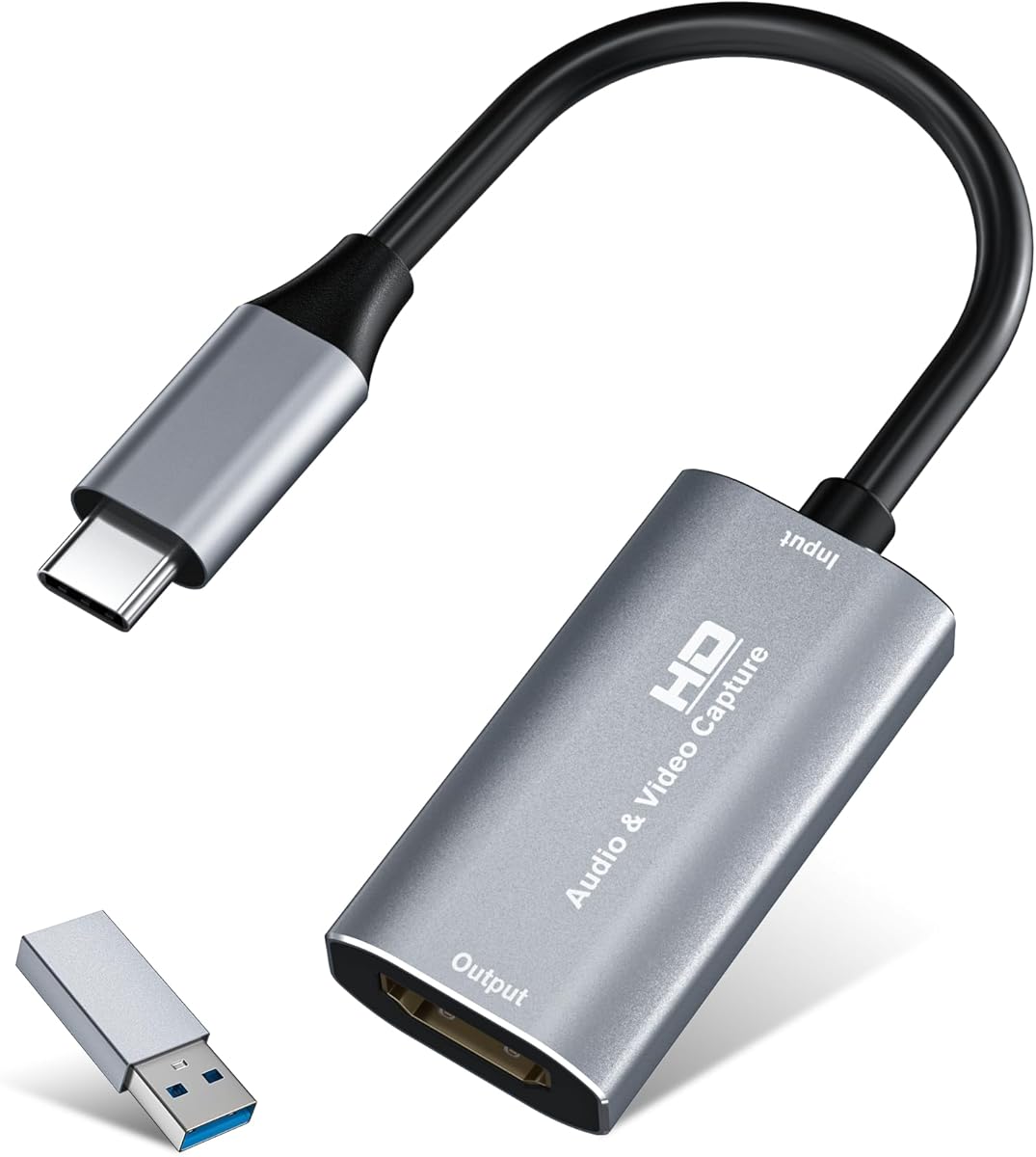


The Magewell USB Capture HDMI Gen 2 stands out as the premier choice for professionals seeking reliable high-definition video capture. With a rating of 4.7, it delivers consistent 1080p60 performance without stuttering or frame drops, making it ideal for broadcast or critical streaming workflows.
We may earn a commission when you buy through this link, at no additional cost to you.
Its FPGA-based video processing handles scaling and color conversion on-device, significantly reducing CPU load during intensive sessions. The plug-and-play USB 3.1 Gen 1 interface ensures instant compatibility across Windows, macOS, and Linux, while the durable design supports continuous operation without overheating issues.
While the price is higher than consumer-grade alternatives, the investment is justified by the robust hardware and three-year limited warranty. The lack of 4K output may limit future-proofing for some, but the current 1080p60 clarity remains unmatched in stability and color fidelity.
This device is best suited for users who prioritize reliability over cost, such as educators, event streamers, or professional content creators. Its ability to handle long-term recording sessions without failure makes it a top recommendation for any serious setup.
By processing video tasks on the device itself, this capture card offloads work from your computer, ensuring smoother performance during complex streaming scenarios.
Built with thermal protection and status LEDs, this model is engineered to handle hours of daily operation, providing peace of mind for professional workflows.
We may earn a commission when you buy through this link, at no additional cost to you.
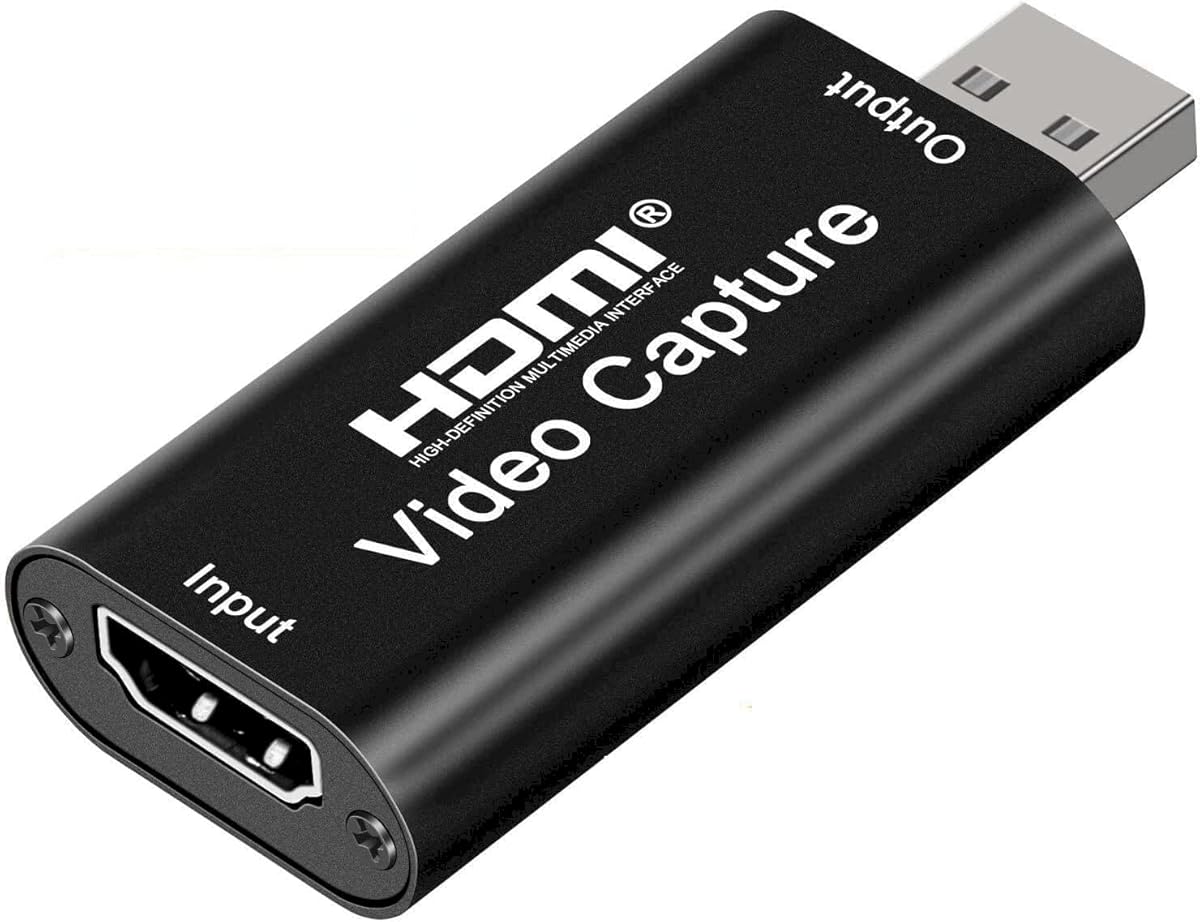
The Audio Express AXHDCAP offers an entry-level solution for those needing basic HDMI capture without breaking the bank. Rated at 4.4, it supports 4K input but outputs up to 1080p at 30fps, which is sufficient for casual streaming and video conferencing.
We may earn a commission when you buy through this link, at no additional cost to you.
Its plug-and-play design requires no drivers, making it incredibly easy to set up for immediate use. The device captures video and audio simultaneously, and the thermal dissipation helps maintain stability during moderate use cases like teaching or casual gaming.
However, users should note the USB 2.0 limitation caps bandwidth, restricting output to 30fps at 1080p. This may cause motion blur in fast-paced games, so it is better suited for slower content like presentations or interviews.
If your priority is cost-effective streaming for non-critical applications, this device provides solid value. It is an excellent choice for beginners or secondary setups where maximum performance is not the primary concern.
At a low price point, this card makes video capture accessible to anyone looking to start streaming or recording without a significant financial commitment.
No complex installations are needed; just connect the device to your USB port and open your software to start capturing video and audio instantly.
We may earn a commission when you buy through this link, at no additional cost to you.
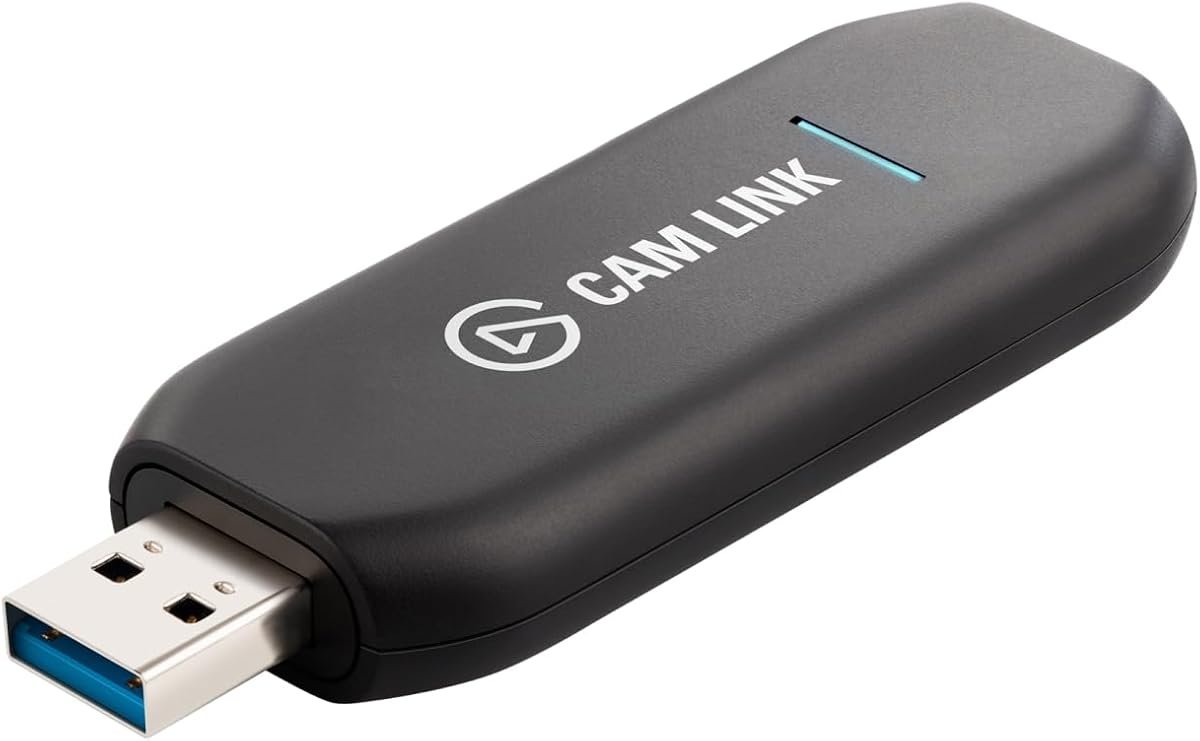
The Elgato Cam Link 4K is widely recognized as a premium tool for turning DSLRs and mirrorless cameras into high-quality webcams. With a 4.6 rating, it supports stunning 4K60 and 1080p60 streaming, delivering razor-sharp detail ideal for professional content creation.
We may earn a commission when you buy through this link, at no additional cost to you.
It features ultra-low latency to keep video and audio perfectly synced, which is critical for live interaction. The robust design ensures stable performance even during long sessions, and it works seamlessly with major software platforms like OBS and QuickTime.
While it comes at a higher price, the performance justifies the cost for creators who need top-tier video quality. The lack of an HDMI loop-out port is a minor drawback for those needing dual-monitor setups, but otherwise, it is flawless.
This device is perfect for YouTubers and streamers using interchangeable lens cameras who want to elevate their production value. If you prioritize visual fidelity and smooth performance, the Cam Link 4K is a top-tier choice.
Stream in crisp 4K60 or 1080p60 to ensure your audience sees every detail, whether you are filming tutorials or high-action content.
Works effortlessly with a wide range of cameras and software, allowing you to upgrade your setup without needing complex drivers or configurations.
We may earn a commission when you buy through this link, at no additional cost to you.
The Guermok Video Capture Card provides a solid mid-range option for gamers and streamers needing reliable 1080p60 capture. With a 4.4 rating, it supports 4K input signals and outputs up to 2K at 30fps, offering flexibility for various content types.
We may earn a commission when you buy through this link, at no additional cost to you.
Its USB 3.0 interface ensures fast data transfer, while the aluminum alloy casing helps dissipate heat effectively. This prevents lag during extended gaming sessions and keeps the device compact for portability during travel.
A note on setup is that restarting OBS may be necessary after audio configuration, which can be a minor inconvenience. Additionally, it supports only one-way transmission, meaning it cannot output video to a display directly.
Overall, this device balances performance and price well for general use. It is a strong contender for those who want 1080p60 streaming without the premium price tag of professional brands.
The aluminum construction helps prevent overheating, ensuring stable performance even during long gaming or recording sessions.
Works with a wide range of operating systems and consoles, making it easy to integrate into diverse streaming setups.
We may earn a commission when you buy through this link, at no additional cost to you.
The acer Video Capture Card delivers smooth 1080p60 performance for a budget-friendly price. Rated at 4.3, it supports 4K input signals and outputs fluid visuals ideal for streaming and recording from consoles or cameras.
We may earn a commission when you buy through this link, at no additional cost to you.
The USB 3.0 interface offers up to 5Gbps bandwidth, ensuring lag-free capture. The 2-in-1 USB-A and Type-C design enhances versatility, allowing you to connect to various devices easily without needing additional adapters.
However, it lacks a microphone input, requiring an external solution for commentary. While this simplifies the design, it adds a step for users who want integrated audio capture from their headsets.
This device is a practical choice for streamers who prioritize resolution over extra features. It performs well for standard streaming needs and offers good value for casual creators.
The dual USB ports let you connect to modern laptops and desktops seamlessly, improving flexibility across different devices.
Aluminum casing aids in heat dissipation, maintaining consistent performance even during longer streaming sessions.
We may earn a commission when you buy through this link, at no additional cost to you.
The UGREEN 2K@30Hz capture card offers a balanced approach to high-resolution streaming. With a 4.5 rating, it supports 4K input and outputs up to 2K at 30fps, preserving quality for editing and streaming.
We may earn a commission when you buy through this link, at no additional cost to you.
The aluminum alloy casing protects against EMI and aids in heat dissipation. The dual USB-A and USB-C ports ensure broad compatibility with modern laptops and tablets, including iPadOS devices updated to version 17 or later.
Users need to disable HDCP on consoles like PS5 to stream properly, which is a common requirement for many capture cards. The device lacks a microphone input, so external mics are necessary for commentary.
This device is great for those needing sharp visuals for content creation. It strikes a good balance between portability and performance, making it suitable for both fixed and mobile setups.
With both USB-A and USB-C options, you can connect to a wide range of devices without needing adapters.
Built-in shielding reduces interference, ensuring stable signals even in environments with high electronic noise.
We may earn a commission when you buy through this link, at no additional cost to you.
This Capture Card delivers solid performance for streaming consoles and cameras with 1080p60 support. With a 4.3 rating, it includes a microphone input and HDMI loop-out, making it a versatile choice for gaming setups.
We may earn a commission when you buy through this link, at no additional cost to you.
The HDMI loop-out allows you to view gameplay on a monitor while capturing simultaneously, avoiding lag on your main screen. The microphone input accepts 3.5mm headsets directly, simplifying audio capture for commentary.
However, while it accepts 4K input, it does not output 4K, limiting the maximum output resolution to 1080p. The build is lightweight, which is convenient for portability but may feel less robust than premium models.
This device is an excellent choice for gamers who need commentary audio and a second screen view. Its straightforward setup and features make it a reliable option for budget-conscious streamers.
Connect a headset directly to the card for seamless audio capture without needing a separate sound card.
View your stream in real-time on a separate monitor, ensuring you stay in sync without input lag.
We may earn a commission when you buy through this link, at no additional cost to you.
The Video Capture Card 4K USB3.0 is a compact solution for portable streaming needs. Rated at 4.4, it supports 4K input and outputs 1080p60 smoothly, making it ideal for gaming and online meetings.
We may earn a commission when you buy through this link, at no additional cost to you.
Its lightweight design makes it easy to carry in a bag for outdoor events or travel. The USB-C connection allows for direct use with modern devices, though some users may need an adapter depending on their setup.
It lacks a microphone input, requiring external audio solutions for commentary. However, its plug-and-play design ensures quick setup for most platforms, including OBS and Zoom.
This device is perfect for mobile streamers or those needing a portable option for different locations. It delivers reliable performance without bulk, fitting well into a flexible workflow.
Its small size makes it ideal for travel, allowing you to stream from anywhere with minimal gear.
Connect directly to modern laptops and tablets using the USB-C interface for streamlined integration.
We may earn a commission when you buy through this link, at no additional cost to you.
The acer USB 3.0 HDMI Capture Card offers excellent features for its price point. With a 4.5 rating, it supports 1080p60 output and includes both a microphone input and HDMI loop-out for enhanced versatility.
We may earn a commission when you buy through this link, at no additional cost to you.
The YUY2 technology delivers richer colors and better clarity compared to MJPEG, improving visual quality for streaming. Its USB 3.0 interface ensures high-speed data transfer and low latency for real-time feedback.
While the device is slightly larger than some competitors, its features justify the size. Users on older Windows systems may need to install USB 3.0 drivers, but this is a minor setup step for most.
This card is a strong contender for gamers and educators needing integrated audio and loop-out functionality. It provides a well-rounded performance profile that fits many streaming needs.
YUY2 technology ensures better color reproduction, making your streams look more vibrant and professional.
The built-in microphone input simplifies your setup by allowing direct connection of headsets for commentary.
We may earn a commission when you buy through this link, at no additional cost to you.
The UGREEN 4K@30Hz Loop Out capture card is designed for high-resolution workflows. With a 4.4 rating, it offers 4K loop-out for monitoring while capturing up to 2K at 30fps, balancing performance and cost.
We may earn a commission when you buy through this link, at no additional cost to you.
Its dual USB-A and USB-C interface ensures compatibility with a wide range of devices. The aluminum casing provides durability and effective heat dissipation for stable long-term use without performance drops.
Note that while it supports 4K input, the capture itself is limited to 2K. Also, HDCP must be disabled on consoles to avoid signal issues. These constraints are typical for cards in this class.
This device suits users who need loop-out for simultaneous viewing and recording. It offers professional features at a reasonable price, making it a smart choice for advanced streamers.
View your stream in 4K quality on a separate monitor while recording in optimized resolutions for better performance.
Choose between USB-A or USB-C connectivity to match your computer setup and ensure reliable data transfer.
We may earn a commission when you buy through this link, at no additional cost to you.
Selecting the right capture device requires balancing resolution, latency, and compatibility to fit your specific streaming or recording needs.
Look for devices that support at least 1080p60 to ensure smooth video quality. If you need higher resolution, check if the card supports 4K input or output, as some models accept 4K but only record at 1080p.
Prioritize models that match your content type; gaming needs high frame rates while tutorials may only require 30fps.
Ensure the device uses USB 3.0 for sufficient bandwidth to handle high-resolution video. USB 2.0 may limit you to lower frame rates and resolutions like 1080p30.
Always plug the capture card into a USB 3.0 port to avoid performance bottlenecks.
Choose a device that works without installing complex drivers. Most modern cards support Windows, macOS, and Linux natively, making setup faster and easier.
Check software support for platforms like OBS, XSplit, or Zoom to ensure seamless integration with your workflow.
Low latency is critical for gaming and live interaction. Look for models described as having ultra-low latency or real-time preview features.
Devices with hardware processing chips can reduce CPU load and maintain stability during long sessions.
Aluminum or metal casings help dissipate heat, preventing throttling during extended use. Compact designs are better for portability but ensure the device is sturdy enough for daily handling.
Quality materials also reduce interference and signal loss over time.
Some capture cards include microphone inputs or HDMI loop-out ports. A loop-out allows you to monitor your stream while playing games on a separate screen.
Audio inputs simplify setups by letting you connect headsets directly without extra adapters or audio interfaces.
Balance your budget with the features you need. Premium models may offer better support and build quality but cost significantly more than entry-level options.
Check warranty periods to ensure long-term security for your investment.
If using consoles like PS5 or Xbox, ensure the capture card supports HDCP disabling for proper signal output. Also verify iPad or Android tablet compatibility if you plan to stream from mobile devices.
Universal compatibility ensures the device works across all your potential platforms without issues.
To begin using your capture device, connect the HDMI cable from your console or camera to the capture card's HDMI input port. Then, plug the USB cable into your computer to establish the connection.
Open your preferred streaming software like OBS or QuickTime and select the capture card as the video source. You should see a live preview of your video feed immediately if everything is connected correctly.
Regularly clean the device and keep it in a well-ventilated area to prevent overheating. Avoid bending the USB cable sharply to maintain its durability and ensure consistent signal transmission.
Most HDMI to USB capture cards in this guide are plug-and-play devices that do not require additional driver installations. However, if you are using an older operating system like Windows 7, you may need to install USB 3.0 drivers to ensure full functionality.
Lag or black screens often result from incorrect USB ports or missing HDCP settings on consoles. Ensure you are using a USB 3.0 port and that HDCP is disabled on your gaming device to allow the capture card to receive the signal.
Some newer capture cards support iPadOS 17 or higher, allowing you to stream from consoles to an iPad. However, iPhones generally do not support the UVC protocol needed for video capture, so they cannot function as the host device.
1080p60 provides smoother motion and is ideal for fast-paced gaming or sports content. 1080p30 is sufficient for static content like tutorials or interviews and uses less bandwidth.
Some models include a microphone input port, allowing you to connect a headset directly. If your device lacks this feature, you will need an external audio interface or USB microphone to capture commentary.
Most budget and mid-range capture cards output up to 1080p60 even if they accept 4K input. Only premium models like the Elgato Cam Link 4K support full 4K60 recording for professional quality.
Choosing the right HDMI to USB capture device depends on your specific needs, whether it is professional 4K streaming or budget-friendly console recording.
Prioritize resolution support and latency performance if you are gaming or teaching, but opt for portable options if you need to stream on the go.
Always check current prices and availability before purchasing, as deals and stock levels change frequently across retailers.