
HP OmniBook 7 AI Laptop
4.3Editor score
2K OLED Touch Display
120Hz Refresh Rate
Intel Core 9 270H
Interior designers need powerful tools to render 3D models and manage complex projects efficiently. A capable laptop ensures smooth workflows for CAD software and high-resolution visualizations.
We compared ten top models based on processor speed, graphics capability, screen quality, and overall value. Each selection meets the rigorous demands of professional design work and creative tasks.
Every pick highlights key strengths and potential trade-offs to help you choose wisely. Prices and availability change frequently, so verify current details before making your final purchase decision today.
4.3Editor score

4.4Editor score
4.7Editor score
As an Amazon Associate we earn from qualifying purchases.
This side-by-side comparison highlights the most critical specifications across all ten laptops. Review processor generations, RAM sizes, storage capacities, and display types to find the perfect match for your design studio needs.


The Dell Precision 7680 stands as a powerhouse for interior designers requiring maximum computational strength. With an Intel i9 processor and generous RAM, it handles complex 3D renders smoothly.
We may earn a commission when you buy through this link, at no additional cost to you.
Its workstation-grade design ensures stability during long design sessions. The display offers crisp visuals essential for color accuracy and detailed drafting work within CAD applications.
While it is an investment, the performance justifies the cost for professionals. Trade-offs include weight and size but are acceptable given the mobile workstation capabilities.
This laptop is ideal for serious designers who need desktop-level power on the go. It remains a top recommendation for reliability and speed in professional creative workflows.
Certified compatibility with major design software ensures stability and minimizes crashes during critical project phases.
The CAMM RAM technology allows for faster speeds and thinner profiles compared to traditional SODIMM modules.
We may earn a commission when you buy through this link, at no additional cost to you.
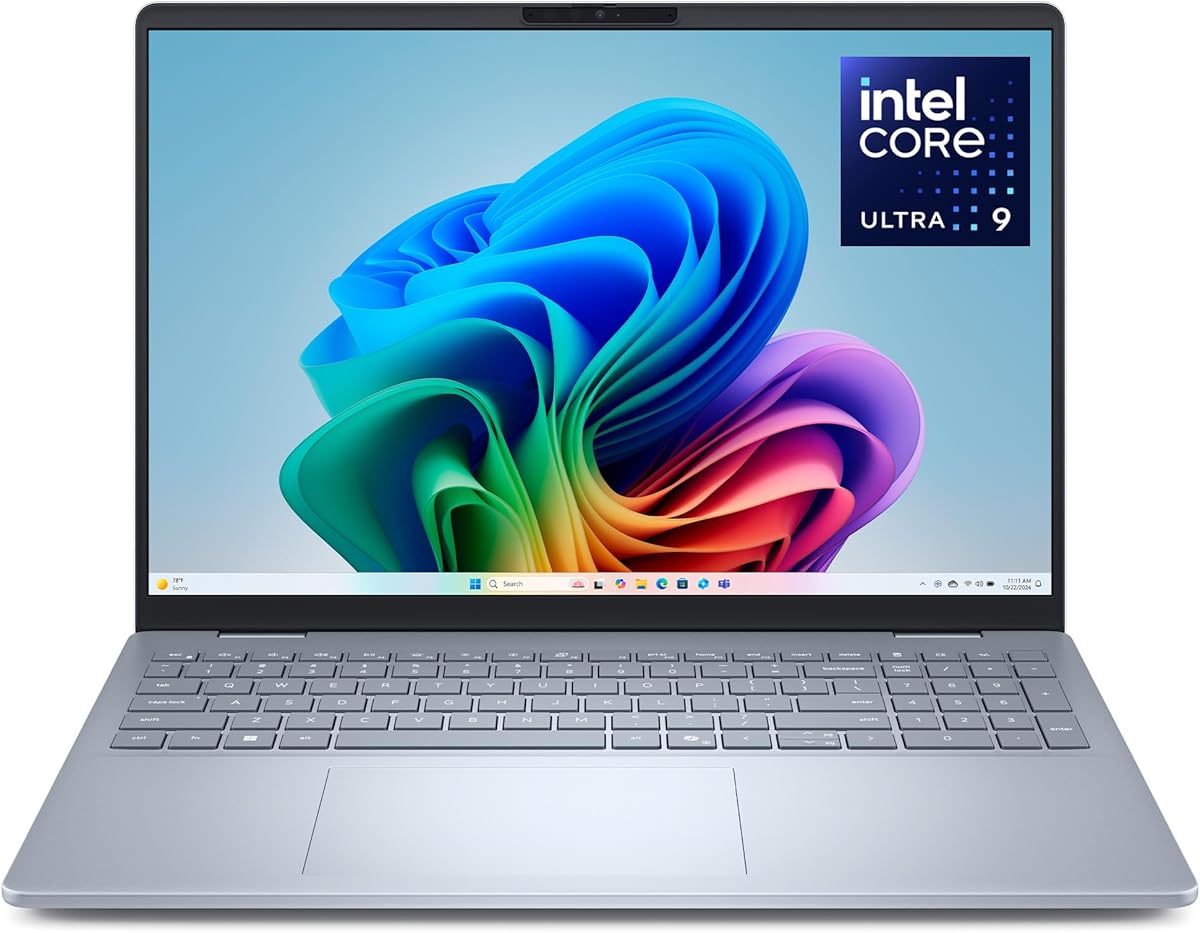
The Dell 16 Plus brings modern AI capabilities to the design workspace. It focuses on efficiency and performance for creators handling demanding data sheets and multitasking needs.
We may earn a commission when you buy through this link, at no additional cost to you.
Its QHD+ screen provides ample room for side-by-side windows. The integration of AI engines promises cooler performance without sacrificing speed during intensive workloads.
Designers seeking a sleek aluminum build will appreciate the materials. Some users might find the cost high but the included service options add value to the package.
Choose this for a balance of style and advanced computing. It suits professionals who want the latest tech features integrated into their daily workflow seamlessly.
Built with client compute engines designed to deliver power efficiency and smoother handling of complex tasks.
The expansive 16:10 screen allows multiple windows to be viewed simultaneously without clutter.
We may earn a commission when you buy through this link, at no additional cost to you.
This HP model offers an exceptional OLED screen that interior designers will love for color critical tasks. The touch capability adds another layer of interaction for sketching or navigating interfaces.
We may earn a commission when you buy through this link, at no additional cost to you.
Performance is backed by a powerful Core 9 processor and ample RAM. It handles rendering and editing software with ease while maintaining a professional form factor.
The HDR 500 nits brightness ensures visibility in varied lighting. Potential downsides include the long-term stability of OLED panels compared to IPS options.
Ideal for designers prioritizing visual fidelity above all else. The display quality sets it apart as a premium choice for those focused on presentation and mood boards.
Supports 100% DCI-P3 color space which is crucial for accurate visual representation in design projects.
Multitouch-enabled screen allows intuitive interaction with design tools and software interfaces.
We may earn a commission when you buy through this link, at no additional cost to you.
The ZBook 8 G1i is built for the most demanding engineering and design workflows. It features a massive 64GB of RAM which is perfect for large 3D models and simulations.
We may earn a commission when you buy through this link, at no additional cost to you.
NVIDIA RTX graphics provide reliable rendering speeds. The touchscreen adds utility for quick interactions while the security features protect sensitive client data effectively.
Its robust build handles physical stress well. The weight is a trade-off but expected for a machine this powerful and capable of supporting extensive external monitor setups.
This is the top choice for architects and engineers. It delivers consistent performance for those working on complex projects that require immense computational resources daily.
HP Wolf Pro Security provides enterprise-grade protection to safeguard your valuable design data and intellectual property.
Wi-Fi 7 and Thunderbolt 4 ensure ultra-fast wireless and wired connections for large file transfers.
We may earn a commission when you buy through this link, at no additional cost to you.
This configuration of the Precision 7680 offers a more accessible entry into the workstation line. It retains the robust chassis and display quality of the flagship model.
We may earn a commission when you buy through this link, at no additional cost to you.
The RTX 1000 Ada GPU handles standard design tasks well. It is suitable for designers who need reliability without the highest tier costs associated with i9 variants.
While it may struggle with heavy rendering compared to top models, it covers most daily needs. The build quality remains consistent with Dell's professional standards.
Ideal for small business owners or freelancers starting out. It provides a reliable platform for professional work without breaking the budget on raw power.
ISV certifications ensure that professional applications run dependably on this mid-tier hardware configuration.
We may earn a commission when you buy through this link, at no additional cost to you.
The RTX 2000 Ada GPU elevates this laptop for graphics-intensive tasks. Designers focused on 3D rendering will appreciate the dedicated hardware for smoother workflows.
We may earn a commission when you buy through this link, at no additional cost to you.
It includes essential workstation features like military standard testing. This ensures the machine can withstand the rigors of field work or frequent travel.
The display color coverage is modest compared to OLED options. However, for technical drafting, the crisp visuals remain functional and sharp enough for most users.
Recommended for those who prioritize GPU power over color fidelity. It serves well as a reliable tool for technical design and engineering calculations on the go.
NVIDIA RTX 2000 Ada delivers robust performance for rendering and graphics-intensive workloads efficiently.
We may earn a commission when you buy through this link, at no additional cost to you.
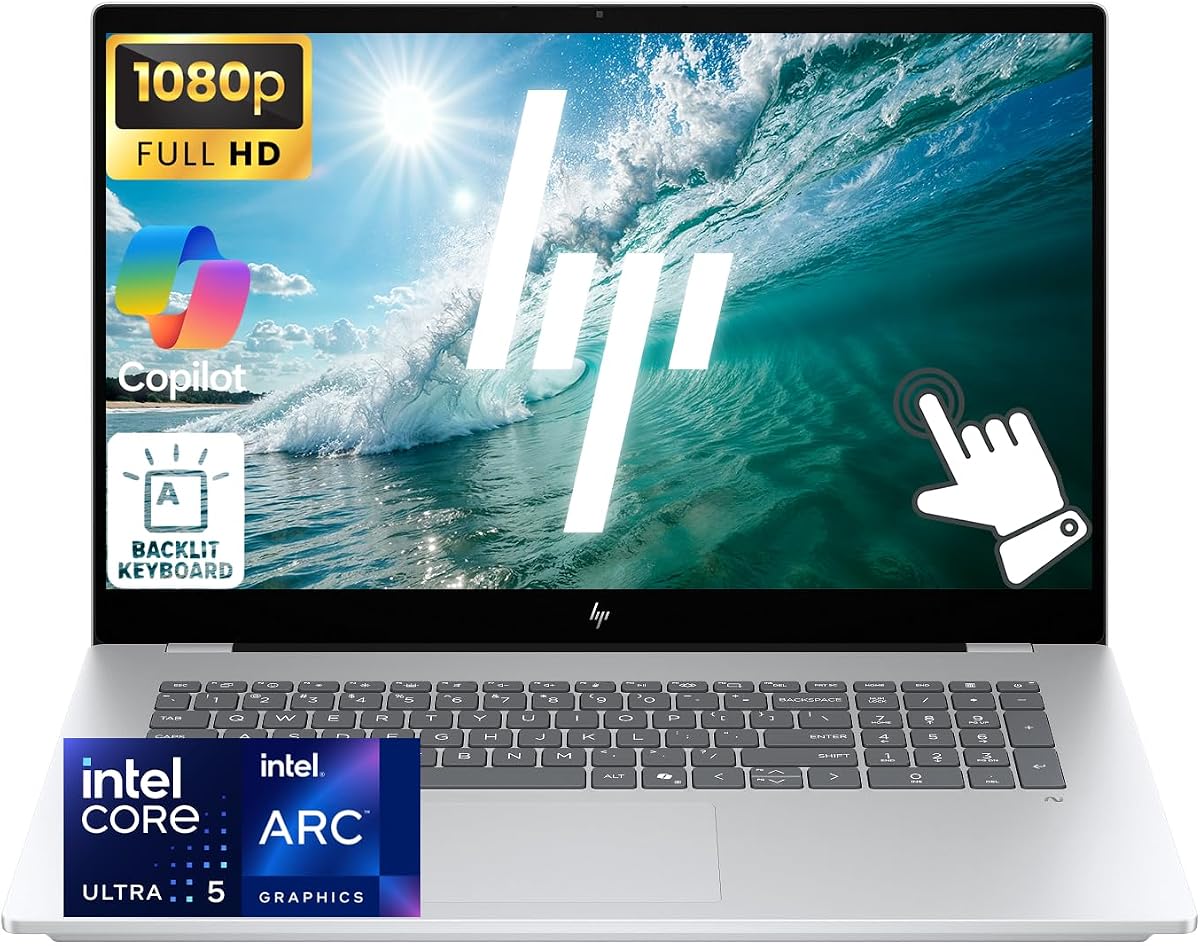
This HP laptop offers excellent value with a large touchscreen at a competitive price. It is a strong contender for students or designers needing a secondary device.
We may earn a commission when you buy through this link, at no additional cost to you.
The Core Ultra 5 processor handles daily tasks efficiently. While not a heavy workstation, it supports standard design software and multimedia workflows smoothly.
The large 17.3 inch screen provides plenty of workspace. The only major limitation is the RAM which might limit heavy multitasking compared to higher-end models.
Perfect for budget-conscious buyers needing portability. It balances performance and cost effectively for general design work and client presentations without unnecessary expense.
The 17.3 inch touchscreen allows for intuitive navigation and precise control in design applications.
Supports fast charging which ensures you get back to work quickly after a quick power top-up.
We may earn a commission when you buy through this link, at no additional cost to you.
With a massive 64GB of RAM, this variant is tailored for extreme multitasking and large scene files. The perfect user rating reflects its reliability and solid construction.
We may earn a commission when you buy through this link, at no additional cost to you.
It retains all the benefits of the Precision line including MIL-STD testing. Designers working with complex scenes will find the extra memory invaluable for avoiding slowdowns.
The dedicated numeric keypad enhances data entry productivity. However, the cost is higher than models with less RAM which might be unnecessary for lighter use cases.
Select this for high-end simulation or rendering needs. It ensures that memory bottlenecks are eliminated allowing for seamless workflow even with multiple heavy applications open.
64GB DDR5 CAMM RAM allows seamless multitasking and rapid data access across large projects.
We may earn a commission when you buy through this link, at no additional cost to you.
While not a computer this bag is vital for designers carrying heavy workstations to sites. Its sophisticated look aligns well with the aesthetic needs of interior professionals.
We may earn a commission when you buy through this link, at no additional cost to you.
The padding protects your investment from bumps during transit. It fits laptops up to 17 inches ensuring compatibility with the powerful machines in this guide.
Organized pockets help keep chargers and documents tidy. Traveling to client meetings becomes easier without straining your back from a heavy shoulder bag load.
A smart addition to any designer kit. It complements your high-end laptop with professional portability that looks great in boardrooms or airports.
Quiet smooth-rolling wheels ensure effortless mobility across airport terminals and office corridors daily.
Multiple pockets keep your laptop and essentials neatly organized and easily accessible whenever needed.
We may earn a commission when you buy through this link, at no additional cost to you.
This lightweight laptop is best for students or basic administrative tasks. It is highly portable making it easy to carry around a studio or classroom environment.
We may earn a commission when you buy through this link, at no additional cost to you.
The Celeron processor handles light web browsing and word processing. It is not suitable for heavy 3D rendering but can run lighter design tools adequately.
Included Office Suite adds immediate value for business users. The performance is limited compared to dedicated workstations which may frustrate power users needing speed.
Ideal as a secondary device for quick notes. It provides basic functionality without bulk for those prioritizing weight and cost over raw computational power.
Thin and light design makes this ideal for students and mobile professionals needing basic productivity.
Includes Office Suite and accessories offering a complete package for basic school and business use cases.
We may earn a commission when you buy through this link, at no additional cost to you.
Selecting the right laptop involves balancing performance needs with portability and budget. We explore the essential factors that determine how well a machine handles professional design software.
The processor acts as the brain of your computer handling calculations for renders and simulations. Look for Intel Core i7 or i9 and AMD Ryzen 7 or 9 series to ensure smooth multitasking.
A powerful CPU reduces wait times when working with complex 3D models.
Dedicated graphics cards are vital for real-time rendering and viewport navigation. Integrated graphics often struggle with high-poly models making discrete GPUs like NVIDIA RTX essential.
Opt for models with RTX cards to handle heavy visual loads efficiently.
Random Access Memory dictates how many applications can run simultaneously without lag. Interior design workflows often require running CAD software alongside browsers and rendering engines.
Aim for at least 32GB of RAM to avoid slowdowns during peak work hours.
Screen accuracy is critical for color matching and detailed drafting work. High resolution panels with good color coverage ensure your designs look exactly as intended.
Prioritize screens with high sRGB or DCI-P3 color accuracy ratings.
Fast storage ensures quick boot times and rapid file access during work sessions. Solid State Drives significantly outperform traditional hard drives in read and write speeds.
Select laptops with NVMe SSDs to maintain overall system responsiveness.
Mobile designers need a balance between workstation power and carrying weight. Heavy workstations offer performance but may be cumbersome for travel to client sites.
Decide if you need a desktop replacement or a true mobile solution.
Plenty of ports prevent the need for constant dongles or hubs. Look for Thunderbolt support to connect external monitors and fast storage devices easily.
Ensure the laptop has enough USB and video outputs for your setup.
Not all laptops are certified to run professional design applications reliably. ISV certifications guarantee that your chosen hardware works seamlessly with software like AutoCAD or Revit.
Choose models with proven compatibility to minimize technical issues.
Always shut down your machine properly to prevent data loss during rendering processes. Sudden power loss can corrupt large files and damage the SSD over time.
Keep your laptop cool by using it on hard surfaces that allow airflow. Dust accumulates in vents over time so clean them gently with compressed air regularly.
Update drivers frequently to ensure your graphics card performs at its best. Staying on the latest software versions helps avoid compatibility bugs with new design tools.
Yes 32GB is the recommended minimum for modern design tasks. It allows you to run CAD software alongside other apps smoothly. For heavy 3D rendering consider upgrading to 64GB.
Absolutely a dedicated GPU is necessary for professional rendering. Integrated graphics often struggle with complex 3D models. Look for NVIDIA RTX series cards for best results.
Sixteen inches is a sweet spot balancing visibility and portability. It provides enough space for toolbars and canvases while still fitting in most backpacks.
MacBooks are excellent for design but some CAD software runs best on Windows. Check your specific tools compatibility before making your purchase decision.
Highly important for accurate visual representation in client projects. Look for panels with high sRGB or DCI-P3 coverage to ensure colors are true.
Thunderbolt is is ideal for connecting multiple high resolution displays. It offers high bandwidth and power delivery which is useful for docking stations.
We have reviewed ten top options ranging from heavy workstations to portable entry level machines. The Dell Precision 7680 leads as our overall pick due to its balanced power and reliability.
Prioritize your specific workflow needs when choosing a model. If rendering is your focus look for strong GPUs. If you travel often prioritize weight and battery life.
Remember that technology moves fast and prices fluctuate. Always check current availability and pricing details before finalizing your purchase to get the best deal.